
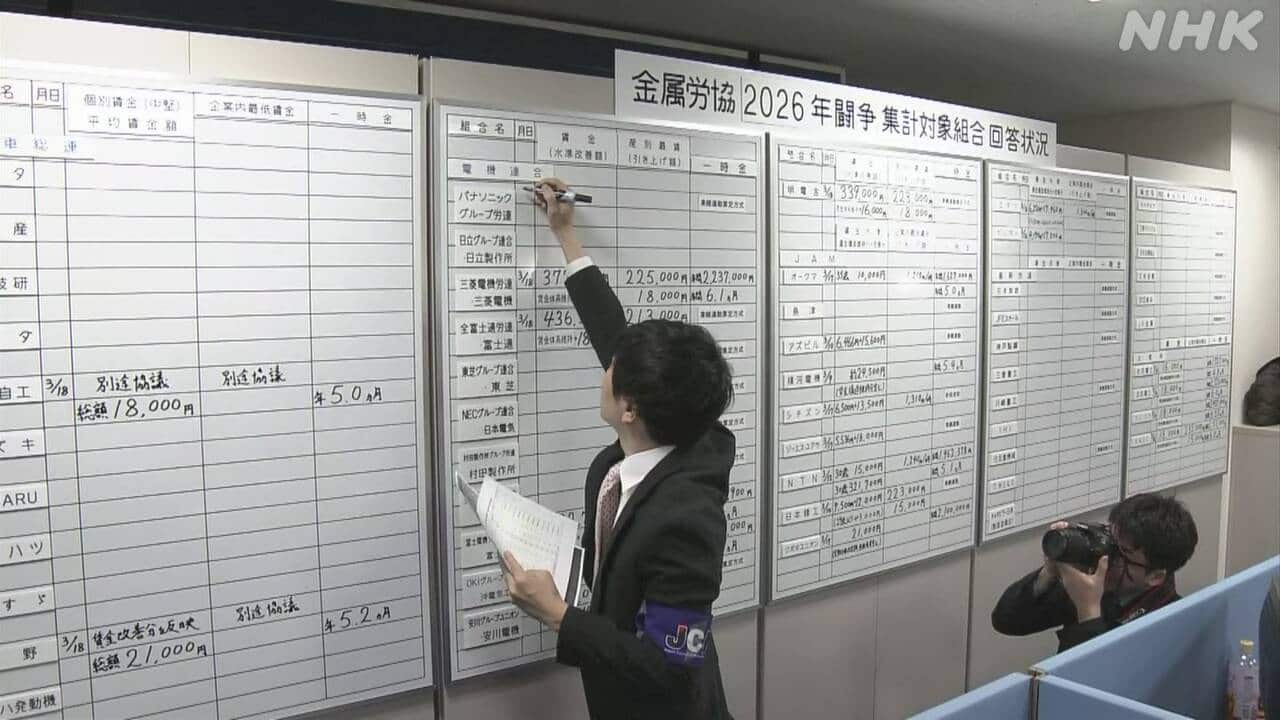
Major Japanese corporations are responding in full to the annual Spring Labor Offensive, a tradition where labor unions demand higher wages. As the economy shows signs of improvement, many of these corporations are agreeing to meet workers' demands for wage increases, shedding light on the changing dynamics in the Japanese job market. The effects of these negotiations could lead to significant changes for workers and represent important developments in economic trends and labor relations.
The Spring Labor Offensive, or "Shunto," is a significant event in Japan, reflecting not just labor relations, but also significant economic indicators about the health of the economy. Japanese citizens view it both from an individual employment perspective and as consumers with potential future purchasing power. Legally, it's an example of collective bargaining in action.
Like in the U.S. or the E.U., where labor unions negotiate wage increases, the Spring Labor Offensive is an important aspect of Japan's labor relations. However, it is perhaps more universally recognized and impactful in Japan due to its historical significance and prevalence at many of the country's largest corporations.