
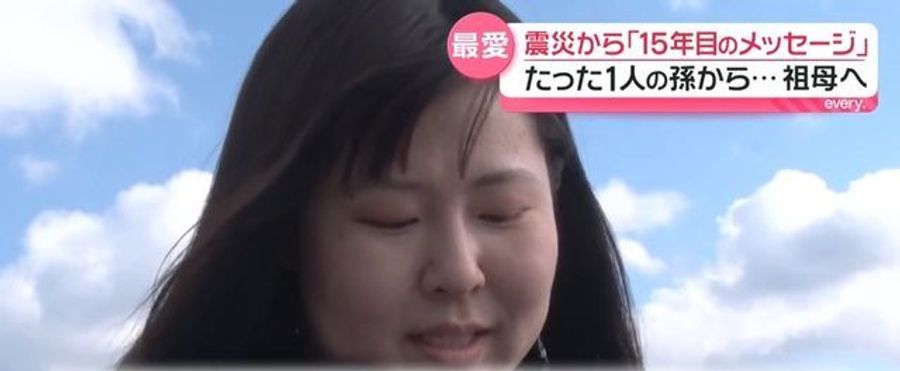
15 years following the disastrous earthquake that struck Japan, this article focuses on a heartfelt appeal made by a granddaughter asking her grandparents to return home. It centers on the emotional and societal impact of a disaster long after the dust has settled, illuminating the often overlooked aspects of recovery and rebuilding.
In Japan, the idea of a "home" is deeply rooted in their traditional and social values. It symbolizes not only a place of residence but also a sense of belonging and identity. Given the severity of the earthquake disaster, many families were displaced, resulting in a heavy emotional toll. The issue of returning home resonates deeply in the Japanese community, often rekindling a collective memory of loss, resilience, and hope.
In the US or EU, natural disasters also lead to similar societal disruptions. However, the recovery processes may be different due to the presence of more diverse, decentralized communities and a larger land area facilitating relocation. The emotional and cultural aspects of returning to one's hometown play a significant role in both regions, symbolizing resilience and hope amid adversity.