
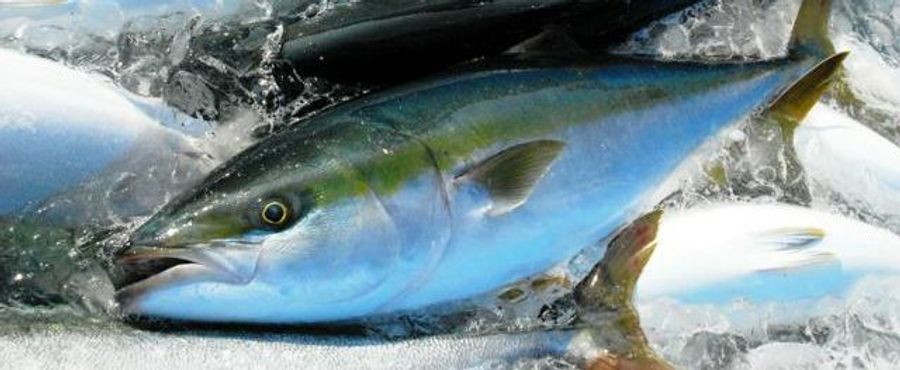
Reports from Tottori Prefecture indicate a significant drop in the population of Yellowtail, a popular fish species in Japan, sparking concerns among local fisheries. Experts are attributing this potential disaster to the coupled effects of overfishing and global warming that may have disrupted the Yellowtail's spawning cycle. As an emblem of Japanese cuisine and a primary source of income for fishing communities, the disappearance of Yellowtail signifies a broad socio-economic impact beyond the immediate environmental repercussions.
Yellowtail, locally known as "Hamachi", is an integral part of the Japanese culinary tradition and the commercial fishing industry. This news raises concerns regarding both the sustainability of fishing practices and the preservation of traditional food culture in Japan. The urgent issue also sheds light on larger debates about climate change and its profound effects on the Japanese countryside and way of life.
Similar to issues in the U.S. and EU regarding overfishing and climate change, measures to protect and rehabilitate marine life have been underway, yet the progress is often slow and fraught with economic complications. For instance, the decline in the cod population in the North Atlantic involved extensive international cooperation and government regulation for successful recovery.