
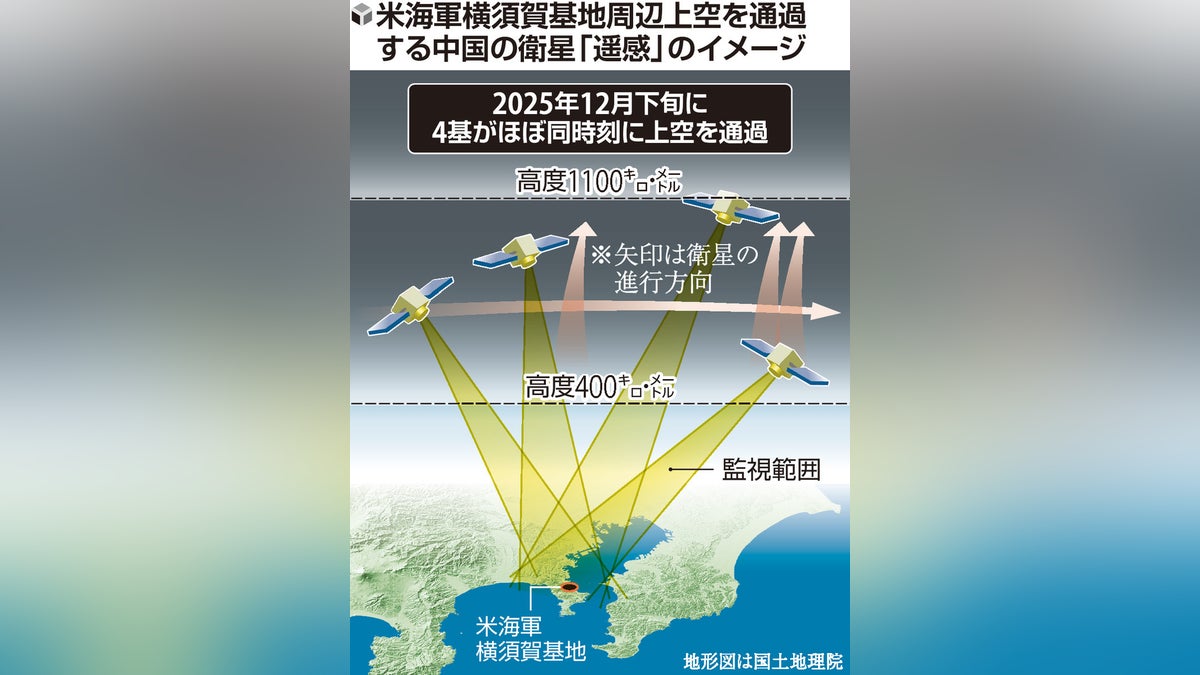
Chinese satellites are now traversing Japan's airspace up to six times an hour, roughly once every ten minutes. This has raised concerns and heightened interests amongst Japanese citizens and authorities alike. As to what this increase in traffic may signify, interpretations are ongoing, with government bodies and experts crunching data to adjudge if there's any material impact or implications.
The news has prompted mixed reactions in Japan, with some individuals taking interest in the technological aspects, while others, particularly those in government and defense sectors, viewing this with a more security-oriented lens. Japan, a country known for its advanced technology, is also aware of the various uses and potential misuse of satellite technology. The frequent passes of Chinese satellites have therefore raised concerns about data privacy, national security, and Japan's sovereignty over its airspace.
In the US or the EU, similar instances would likely provoke equivalent responses. The general public might express curiosity about the technological aspects, while authorities would examine the issue for any potential security risks. Surveillance and privacy concerns are global issues, and nations worldwide are constantly grappling to balance technological advancements with safety and privacy needs.