
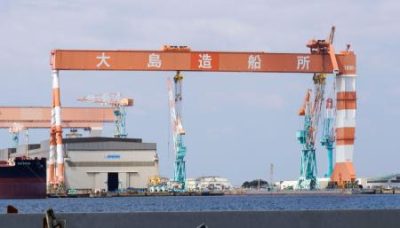
Japan is considering the revival of constructing domestic Liquefied Natural Gas (LNG) carrier ships. This move indicates the nation's push to bolster its energy security and boost its flagging shipbuilding industry. The details on the timeline for this renewable initiative are still unfolding. However, it suggests an economic shift in a country long renowned for its technological and manufacturing prowess.
In Japan, the shipping industry holds a critical place in the economy and national security. The revival of domestic LNG carrier construction is viewed as a way to revitalize the industry and reduce dependence on foreign energy. It also aligns with the government's clean energy goals, as LNG is a cleaner alternative to coal or oil. This decision reflects Japan's broader economic and environmental priorities.
In the US and EU, the construction of LNG carriers also plays a significant role in the economy and national security. They see it as a way of diversifying energy resources and ensuring energy security. Cutting emissions is also a global concern, and LNG is seen as a transition fuel before the full shift to renewables—pointing to shared priorities between Japan and these Western states.