
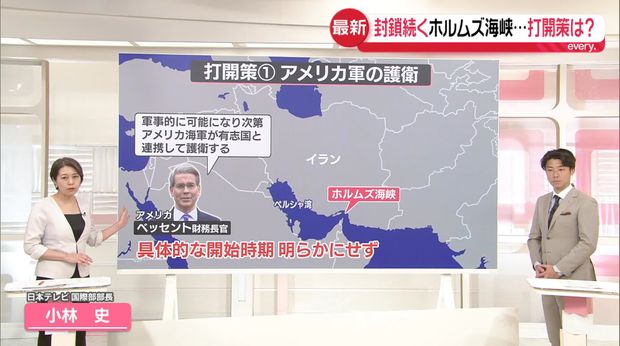
The question of how to resolve the blockage of the Strait of Hormuz, a vital global trade waterway, is under intensive scrutiny. Iran's increasing hostilities have led to this provocative act which has affected nations worldwide, including Japan which relies heavily on Middle-eastern oil. This piece provides an in-depth analysis of potential strategies to diffuse the situation and ensure the continued flow of maritime commerce.
Japan, with its considerable dependence on Middle Eastern oil, is particularly threatened by any disruption of the area's trade routes. As a result, Japan's government and populace are deeply invested in a peaceful resolution to the current crisis. The situation is viewed through a lens of both economic concern and diplomatic caution.
Unlike Japan, which has limited military capabilities due to its constitutional constraints, the US and EU have more overt options, including military interventions, to address similar issues. They also have a level of energy independence that Japan lacks, reducing their vulnerability to such disruptions. Nonetheless, these nations share Japan's interest in maintaining peace and stability in the Middle East.