
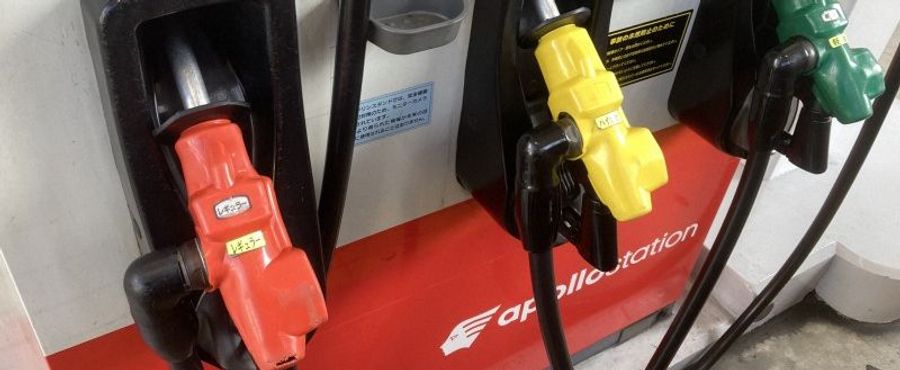
Japan is currently grappling with a sharp surge in gasoline prices, an issue that has turned into a crucial matter for everyday consumers. The escalating prices reportedly affect a significant portion of the population, marking it as a "life-and-death" issue. These rising costs not only impact motorists but also have ripple effects on the country's economy and overall cost of living. The increased expenses are causing widespread concern among the citizens while the government explores possible measures to cushion the impact.
In Japan, gasoline price inflation affects numerous aspects of everyday life, as vehicle usage is widespread both inwardly in the cities and on intercity connections. These escalating costs add to the already high living expenses in Japan, straining household budgets. Citizens value stability and are concerned about any sudden economic changes. The issue has sparked a broader discussion about the country's energy policies and dependence on imported fuel.
Unlike in the United States or European Union, where there are vast reserves of petroleum and more options for fuel sources, Japan is heavily reliant on imported oil, making the country more susceptible to global market changes. Also, public transportation options are more diverse in EU cities, making increases in gasoline prices less impactful on daily transportation costs.