
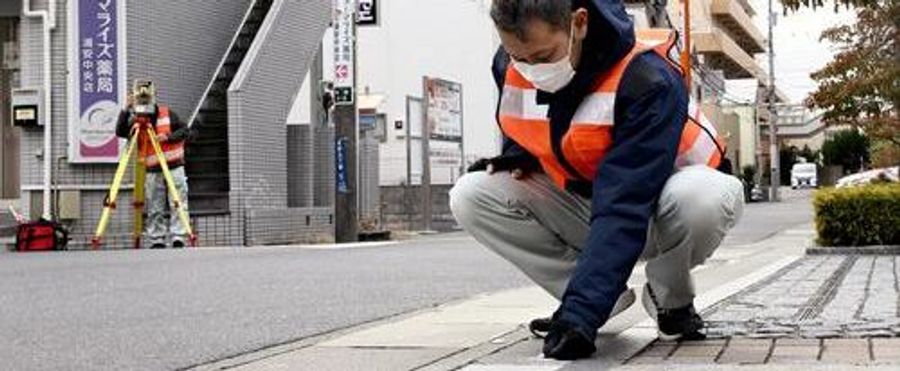
Japan faces a setback in implementing liquidation measures, crucial for an earthquake-prone country, as residents' consensus fails to materialize. Changes mandated by these protocols are intended to curb the destructive impacts of liquidation—when the ground behaves like a liquid during tremors—which is essential in Japan, known for its seismic activities. The story focuses on the ongoing difficulty in gaining agreement from residents, which has halted advancement in these vital safety measures.
In Japan, where earthquakes are common, citizens typically appreciate the value of safety regulations and protocols such as liquidation prevention measures. However, residents' agreement is required for their implementation. This can complicate matters when there's a lack of consensus, possibly due to the inconveniences these changes may cause or the alteration in the surrounding living environment.
In the U.S. or EU, where earthquakes are less frequent (except for some regions such as California), there might not be as much urgency to adopt such preventative measures. Yet, in areas with heightened seismic activity, measures like these are similarly valued, though decisions usually hinge on governing bodies rather than resident consensus.