
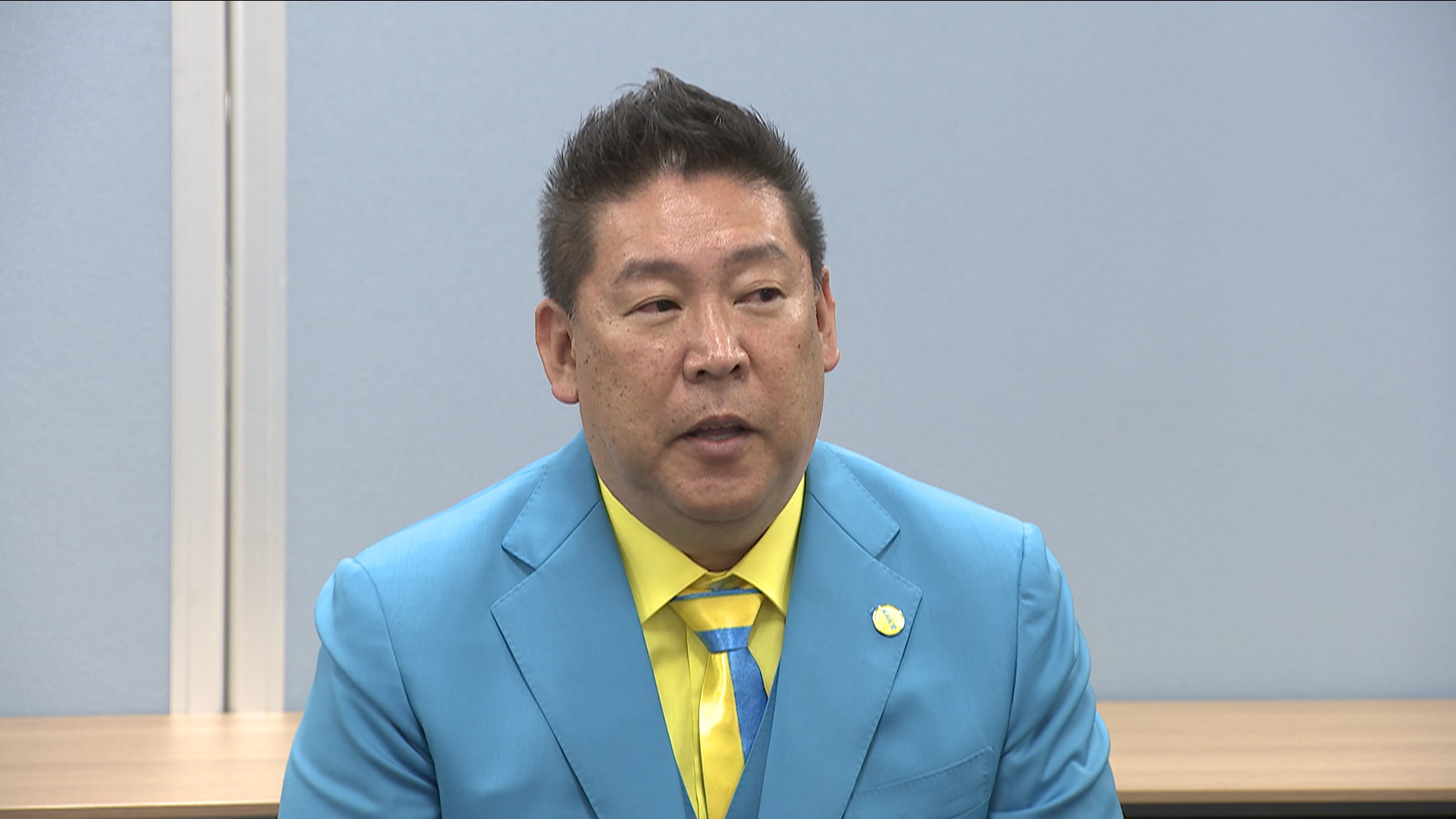
The leader of Japan's Tachibana Party has decided to enter into personal bankruptcy proceedings. This marks a significant event in Japan's political landscape due to the prominent status of the Tachibana Party. The specifics behind the leader's financial shortcomings have not yet been made clear. The initiation of bankruptcy procedures is expected to influence the party's position and leadership in the nation's political sphere.
In Japan, bankruptcy is seen as a sign of financial irresponsibility, stigma, and is often associated with mismanagement. As such, it can greatly impact the public image of political leaders and their parties. Society often expects its leaders, particularly in politics, to maintain a high level of personal financial stability and prudent management, reflecting their ability to manage the country's finances and resources.
In the US or EU, personal bankruptcy of a political figure could also lead to considerations about his/her ability to handle public office. The impact largely depends on the circumstances surrounding the bankruptcy, with some finding resilience and making a political comeback while others are permanently entangled in the scandal.