
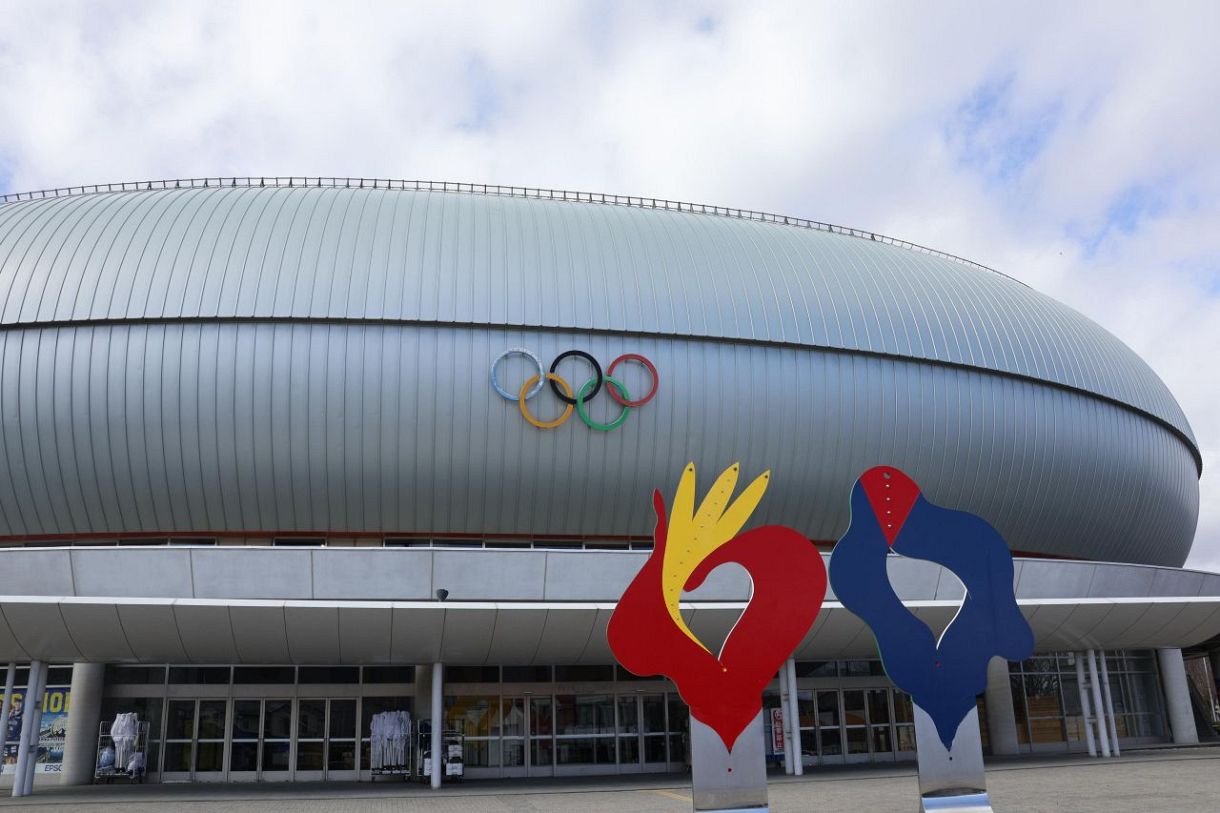
Nagano City, the host city for the 1998 Winter Olympics, is experiencing a long-term financial strain due to the maintenance and operation costs of the Olympic facilities. As these facilities age and face decreasing usage, their upkeep has started to put pressure on the local city budget. The city administration is seeking ways to address this financial crisis.
In Japan, the debt left after hosting the Olympics is a major concern, prompting debates about efficient and sustainable use of such venues post-Games. The issue revolves around social and economic values, and there's growing scrutiny about public spending and its impact on society at large.
In the US or EU, similar issues often arise after massive events like the Olympics. Typically, host cities face the same pressing need for an effective plan to manage and repurpose venues post-Games to avoid financial loss and urban decay. The process of financial planning and management for these facilities is usually as complex as it is in Japan.