
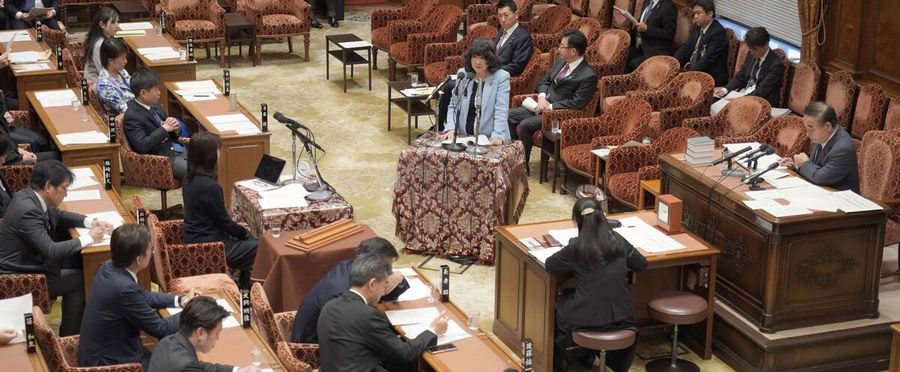
The Japanese government is bracing for intense debates as it aims to pass a crucial budget proposal within the year. This proposal has become the focal point of political conflict, with various factions vying to influence its final form. The coming weeks will prove to be critical for policy makers and could shape Japan's economic landscape in the following year.
A national budget in Japan is always a significant event, reflecting the government's policy direction and potential growth areas. Public scrutiny is high, given the budget's impact on domestic economy, infrastructure projects, and welfare policies. The clashes and compromises that occur during its formation often mirror the prevailing political dynamics in the country.
Much like in the U.S. or EU, the budgeting process in Japan is essentially a battle of political wills and often a zero-sum game. The divisive issues tend to be similar – defense spending, healthcare, and social welfare are frequent points of contention. However, cultural nuances come into play in how these debates are conducted and resolved.