
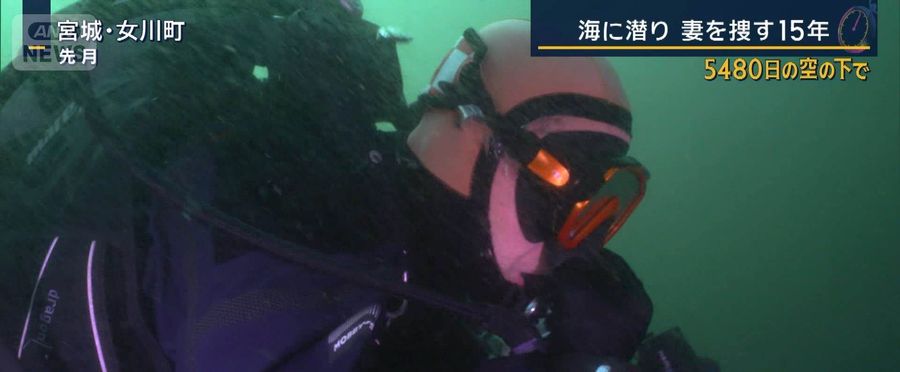
The news reports on the relentless search of missing individuals in the aftermath of an earthquake catastrophe that struck Japan 15 years ago. These dedicated seekers, undeterred despite the passage of time, embody the unwavering resolve of a nation still recovering from a grave tragedy. Grieving families, aided by dedicated volunteers and officials, hold onto hope as they continue to search, driven by a need for closure and remembrance.
The tireless search for missing persons symbolize the persistent resilience and determination that is ingrained in the Japanese culture. Given the frequency of natural disasters in Japan, seeking closure for unaccounted for loved ones rests heavy on societal values. There is a deep respect for life and death, and leaving no one behind, even in catastrophe, is indicative of a profound sense of community and spirit of care in Japan.
In the US or EU, the response to similar issues is often immediate and large-scale, mobilizing enormous resources for search and rescue. However, the long-term personal and community-driven search for missing persons is less frequent, as extensive resources and public attention often decrease with time. American or European societies might see these long-term actions as individual efforts rather than community-backed initiatives.