
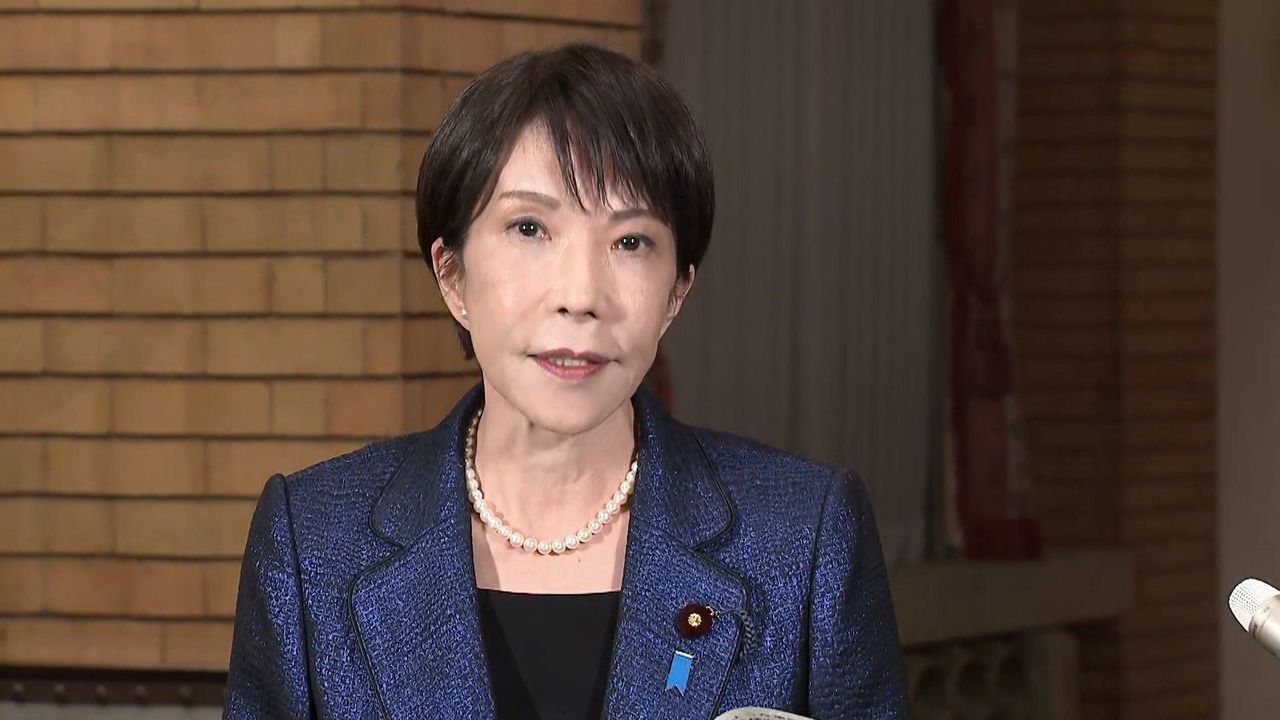
Beginning on the 19th, Japan is set to reintroduce fuel subsidies following an increase in gasoline prices. The move, which aims to offset the financial strain on consumers and stabilize the country's economy, has been widely debated. The policy change comes as part of a broader government effort to maintain a steady financial climate in the wake of global economic uncertainty.
In Japan, gasoline prices significantly impact day-to-day living costs and transportation, which affects nearly every resident. Subsidies such as these can cause polarizing views, as some see it as a necessary measure to maintain economic stability, while others argue that it detracts from sustainability efforts and pushes Japan further away from its goal of being carbon neutral by 2050.
Unlike in Japan, fuel subsidies play a less prominent role in the US or EU's economic policies due to their different economic structures. However, both regions also grapple with balancing economic stability and the push towards more sustainable energy sources. The responses to these dilemmas shape the respective nations' policies and show the complexity of achieving economic stability and environmental sustainability simultaneously.