
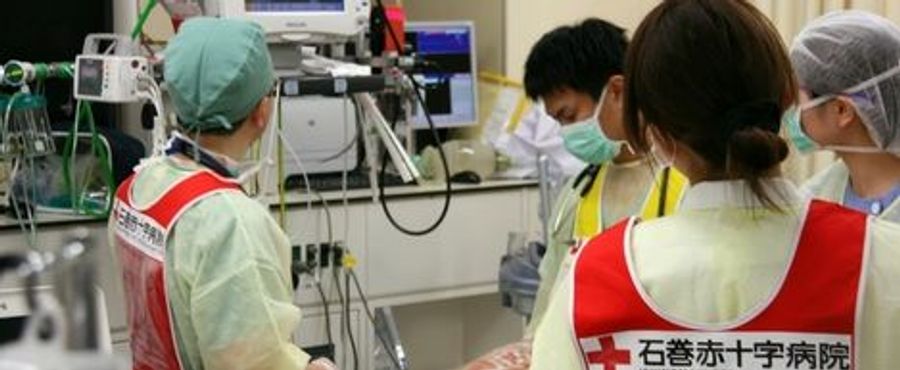
In the wake of a potent earthquake, hospitals in Japan have demonstrated the nation's resilient spirit. Despite disaster striking the previous day, medical teams swiftly resumed operations, tending to patients' needs in an effective and compassionate manner. As an embodiment of the country's robust disaster preparedness protocols, Japanese hospitals continue to inspire with their unwavering commitment to public health and safety, even in challenging times.
In Japan, issues pertaining to public safety, particularly during natural disasters, are of utmost importance. The country endures frequent seismic activities, thus placing a high value on resilience and efficient crisis management. Due to their key role in coping with aftermaths, how hospitals function post-quakes becomes the love of the limelight in public discussions.
While the United States and the EU also possess solid disaster response systems, the tall benchmark set by Japan reflects its unique dedication and preparedness. These countries can further enhance their systems by drawing insights from Japan's approach, focusing on rapid response, resilience, and public health prioritization during disasters.