
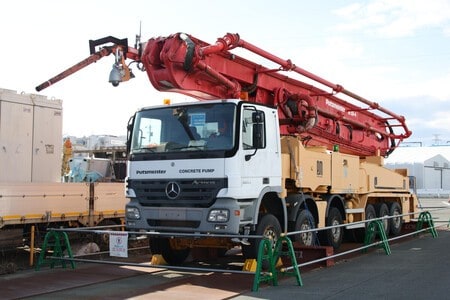
Japan has retired the Kirin, a fleet of vehicles designed to transport and dispose of radioactive water from the Fukushima nuclear disaster site. Used since the aftermath of the 2011 disaster, these vehicles have played a key role in decontamination efforts. However, they're now being phased out as part of Japan's new water disposal strategy, which aims to treat and gradually release the stored water into the sea.
The handling of waste water from the Fukushima disaster is a sensitive issue in Japan, especially as it affects the environment and communities living near the nuclear site. The decision to retire the Kirin vehicles signifies a shift in policy, highlighting the relentless efforts made towards restoring a sense of normalcy in the area. Yet, it also stirs debate around safety and transparency regarding the nuclear power industry.
In the US or EU, similar nuclear incidents (such as Chernobyl or Three Mile Island) have also resulted in long-term, controversial clean-up processes. Disposal strategies often prompt discussions about environmental impact, populations' safety, and the future of nuclear power. However, local cultural contexts may shape these debates differently.