
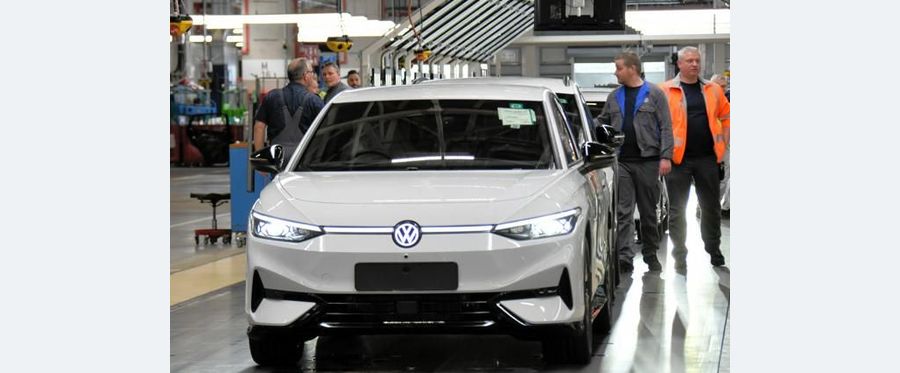
Volkswagen, a renowned automobile company, has announced its plan to reduce its workforce by about 50,000 in Germany by the end of 2030. This strategic decision appears to be a part of its major restructuring efforts and commitment to the production of electric vehicles. Exact details of the job cuts, including which roles will be directly affected and what compensation packages might be offered, have yet to be released.
This news has significant attention in Japan due to the country's strong ties with Germany in the automotive sector. Japan, being a leader in the automobile industry, keenly watches developments in international car making territories. The shift to electric vehicles is a matter of keen interest, and workforce adjustments due to this strategic change are followed with an eye towards possible future implications for Japanese industries.
In the US or the EU, large-scale job cuts often trigger significant news coverage, especially if the company is as prominent as Volkswagen. Such situations typically involve questioning on the redundancy compensation and unemployment support systems in place. Just like in Japan, the global interest in electric vehicles means that shifts in workforce due to restructuring in the automobile sector will be closely monitored.