
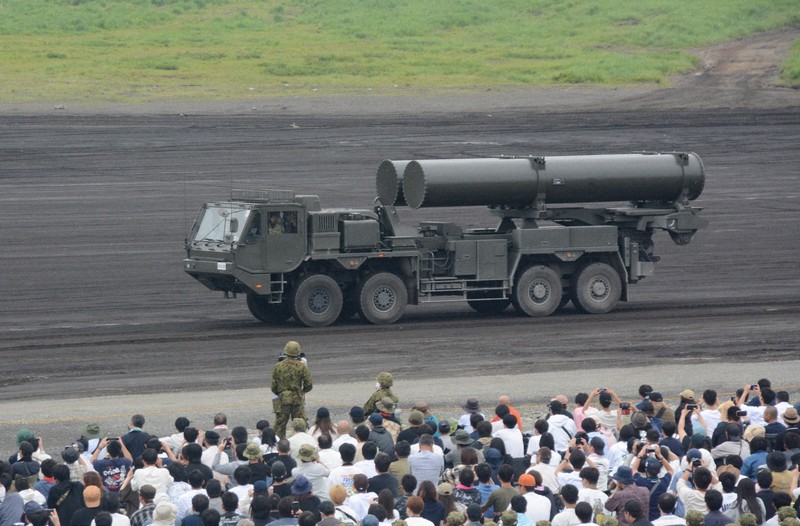
Japan is set to deploy its long-range missiles in Shizuoka on the 31st. This move forms part of the nation's continuing efforts to bolster its defense capacity against potential security threats in the region. The installation and positioning of these arms, while undoubtedly adding increased military strength, have elicited varying responses from both citizens and neighboring countries.
In Japan, national defense is a topic of intense public interest, given the country's unique geopolitical position. Historical memories and the national constitution, which renounces war, are deeply influential in shaping public attitudes. Therefore, any move related to military enhancement stirs up debate about maintaining the balance between the necessity for national security and adhering to peace-oriented constitutional principles.
In contrast to the US or EU, where defense deployments are routine, Japan's strict constitutional limits on military power make such actions a delicate domestic issue. Moreover, Japan's sensitive regional relationships often lead to international scrutiny — unlike situations in the US or EU where defense buildups are more accepted as part of geopolitical strategy.