
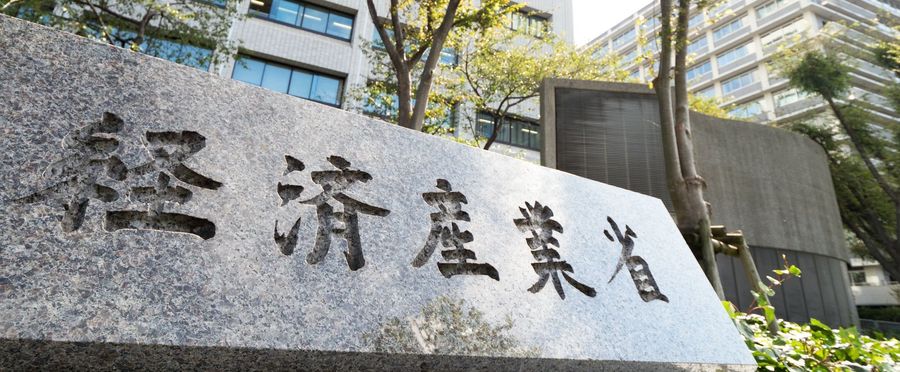
In an attempt to stabilize the volatile global energy market, Japan's Ministry of Economy, Trade and Industry (METI) has instructed for the release of the nation's strategic petroleum reserves. The timing, extent, and manner of the release are yet to be determined, but the move symbolizes Japan's continued commitment to ensuring energy security nationally and worldwide. The decision may also have potential ripple effects on global oil prices.
Japan, having limited natural energy resources, heavily relies on energy imports, making energy security a critical aspect of its national policy. The decision to release strategic oil reserves is seen as a proactive step in managing energy supply-demand imbalances, and is well-received domestically. The move resonates with Japanese societal values of resilience and strategic planning.
Similar to Japan, the US and the EU maintain strategic petroleum reserves as insurance against energy crises. They too, occasionally release these reserves based on market conditions and policy decisions. However, the frequency and scale of such releases may vary depending on individual national policies and the overall energy security scenario.