
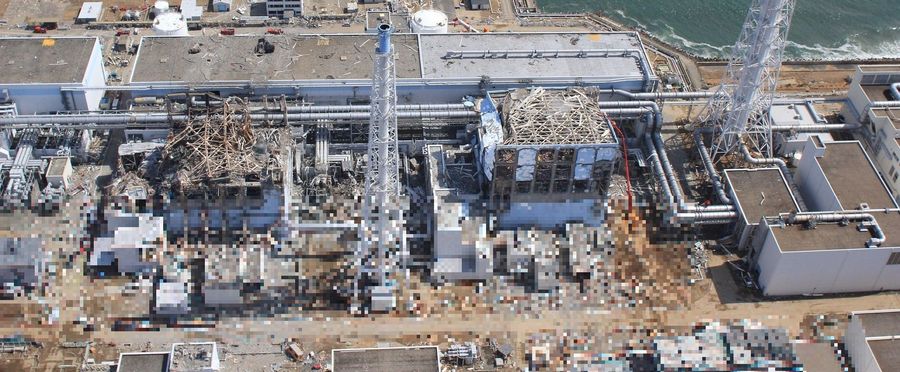
The article delves into the crucial question that arises 15 years after the infamous nuclear accident in Japan - "Were the decisions taken at that time truly appropriate?" The story looks into the complex facets of the disaster response, the aftermath in terms of environmental and health impacts, as well as the consequent socio-political decisions. It aims to create an assessment panorama of the past choices and learn from them.
Nuclear safety, environmental sustainability, and public health risks are issues of prime concern to the Japanese population - who have experienced the adverse effects of the nuclear accident. The disaster led to significant changes in their energy policies and sparked intense societal conversation about nuclear power.
In contrast to Japan, the US and EU have diverse views on nuclear power. In the US, the decision-making is influenced by energy independence and economic factors, whereas EU countries vary from nuclear-dependent France to nuclear-ban Germany. There is often more emphasis on renewable alternatives.