
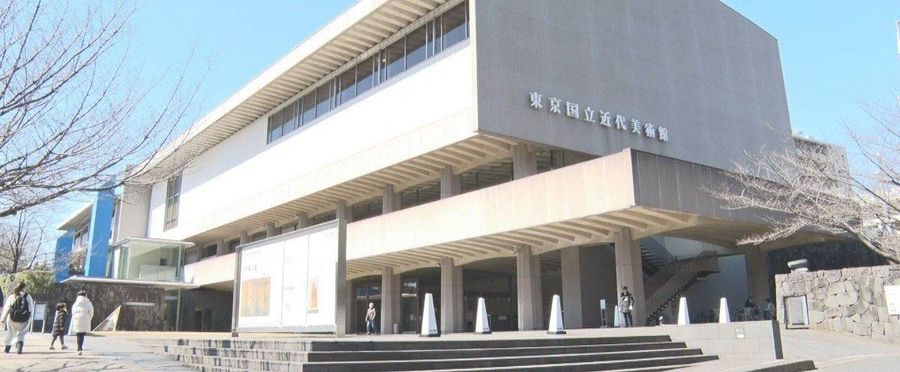
In a recent development, Japan's national museums and similar institutions have been given revenue targets, sparking debate across society. Critics argue that arts and culture should not be monetized in this way, potentially leading to a compromise of their core educational and heritage preservation missions. Meanwhile, proponents insist that in the face of fiscal pressures, such measures are necessary to ensure the continued operation and maintenance of these crucial cultural institutions.
In Japan, like many countries, museums and cultural institutions are treasured as key institutions for the preservation of national heritage. The decision to impose revenue targets means these institutions need to focus on generating their own income streams, which could shift their operations towards more commercial activities. This is seen by many as a threat to the inherent educational and cultural domains they traditionally occupy.
In the US and EU, the debate over monetizing cultural institutions is also contentious. Many museums rely on a mix of government funding, private donations, and ticket sales. But the idea of strict revenue targets is generally seen as controversial, as it can potentially influence exhibition and programming decisions, shifting the focus from education and preservation to profit.