
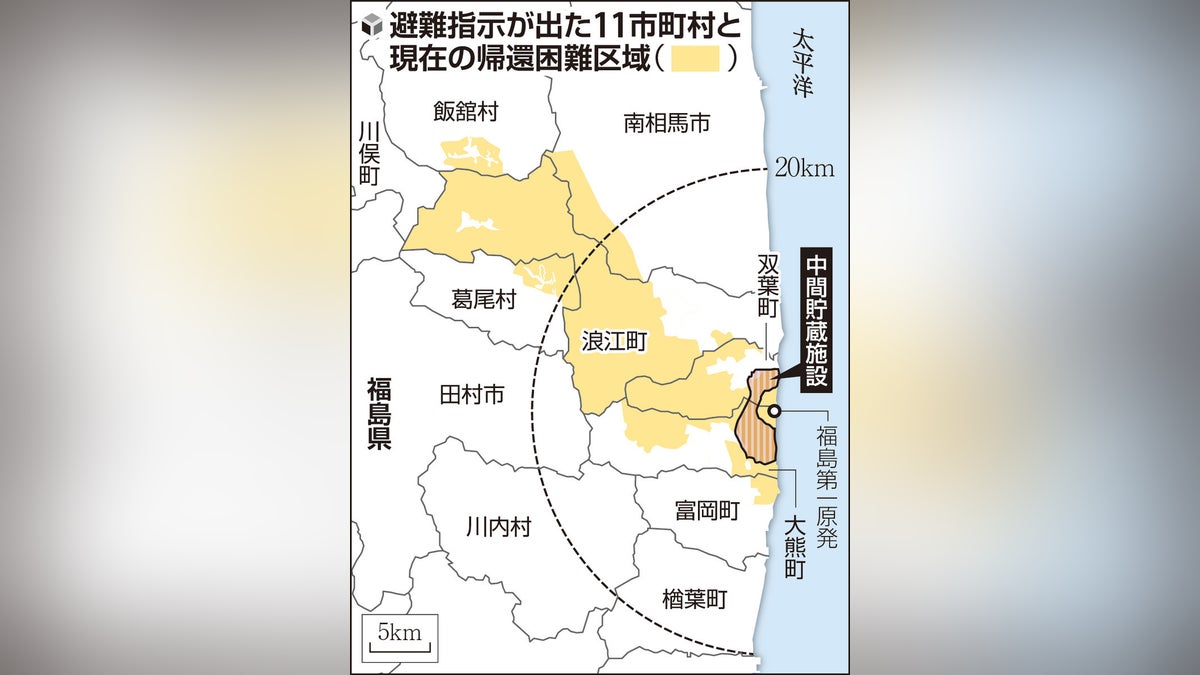
In Ookuma town, Fukushima, about 70% of the population are now settlers who have moved after the 2011 disaster. With progressive improvements in restoring habitability, the town has slowly witnessed a demographic shift. Notably offering affordable housing and land to incentivize population growth, this development underscores Fukushima's ongoing recovery efforts, a decade after the devastating earthquake and nuclear crisis.
Japanese society regards resilience and harmonious rebuilding after disasters as an emblem of strength and perseverance. Renewed population growth in Ookuma, given Fukushima's history, will likely inspire nationwide pride and conversation around post-crisis restoration and recovery. Issues of urban planning, disaster management, demographic changes, and regional revitalization are likely echoing within this context.
In the US or EU, areas impacted by natural or man-made disasters also focus on restoration and repopulation, but with greater emphasis on infrastructure development before repopulation. Fukushima's approach - simultaneous renovation and repopulation - displays a unique urgency to restore normalcy, reflecting the high value Japanese society places on community and societal cohesion.