
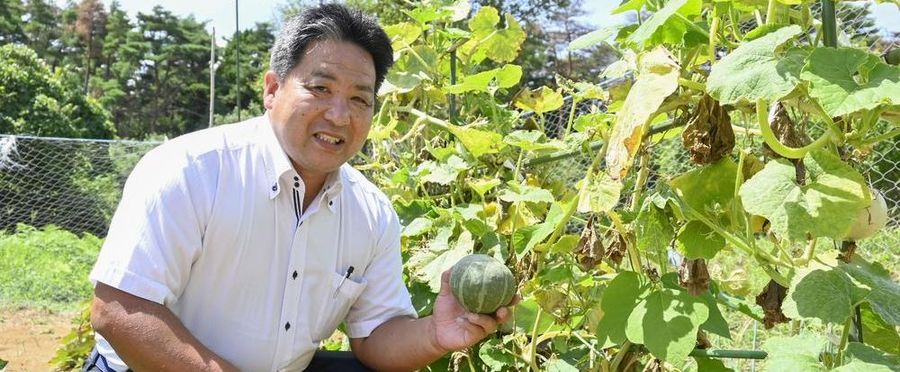
Following a significant natural disaster that led to a 40% population decline in parts of Japan, many are turning towards agriculture as a solution. This sudden shift, driven mainly by economic necessity, has become a potential rejuvenating factor for regions that have suffered significant losses. Innovative farming practices are not only providing income for families but they are also facilitating the revitalization of these disaster-stricken communities.
In Japan, natural disasters such as earthquakes and tsunamis can have devastating effects on communities, leaving many in a state of disrepair and decline in population. The resilience of the Japanese people is often exhibited in such scenarios, where they look for solutions to move forward. Here, the unexpected leap into agriculture is a testament to this resilience. This topic holds a deep emotional resonance, touching upon the values of perseverance, resourcefulness, and respect towards nature which are central to the Japanese culture.
In the US or EU, similarly struck regions often benefit from a wider supporting infrastructure that facilitates rebuilding efforts. In contrast, rural and disaster-stricken regions in Japan sometimes need to rely on more localized solutions, such as turning to agriculture. The common theme shared with Japan, US, and the EU is the drive towards self-reliance and the use of local resources to rebuild communities after a disaster.