
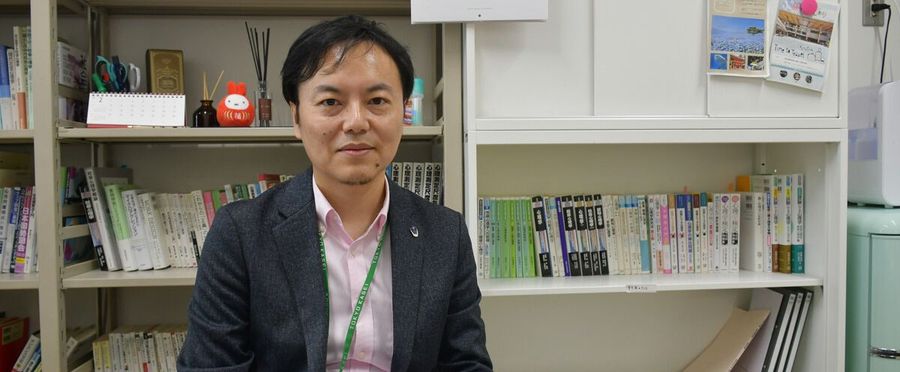
A recent story emerging from Japan examines the persisting bias surrounding the colour pink and its association with femininity. This deep-seated stereotype, often seen as trivial, is a subtle reflection of gender roles in society. The article questions the cliche that 'women's colour is pink', aiming to raise awareness and discussion about the invisible bonds of cultural norms. This focus on a seemingly mundain color prejudice is a unique way of ushering in debates on larger gender issues, fostering a sense of equality and open-mindedness.
In Japan, women are increasingly challenging societal norms and color biases are part of that conversation. The color pink has long been associated with femininity in Japan, but many argue it's more of a marketing strategy than a true reflection of women's preferences. With society becoming more aware of gender inequality issues, such discussions are a stepping stone toward a more equal society.
In the U.S. or EU, the gender colour debate has been more prominent with a growing trend of gender-neutral parenting. Parents are encouraged to avoid pushing pink for girls and blue for boys in an attempt to end gender stereotyping. However, there is still significant marketing and societal pressure to maintain these conventions.