
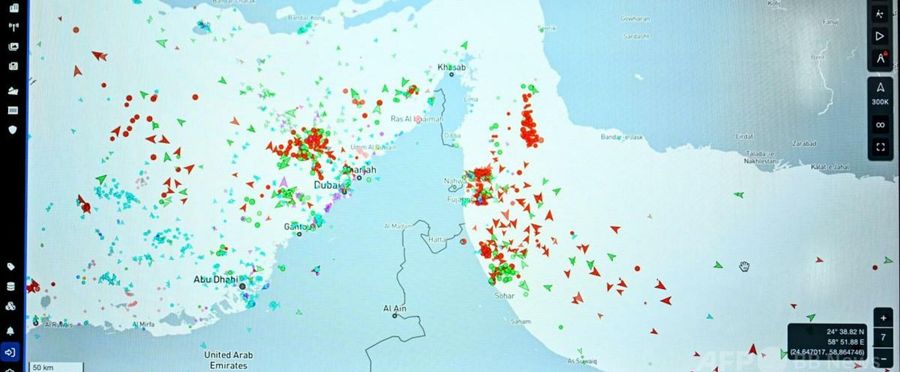
Nine commercial vessels have safely navigated through the strategic Strait of Hormuz after two days. This is deemed significant in view of ongoing regional tensions. The Strait of Hormuz is a vital waterway, crucial for global energy transport, and Japan heavily relies on it for their oil supplies. The safe passage of these vessels, thus, reinforces confidence in free and open maritime transit while easing some of the economic security concerns.
Japan, as a country heavily dependent on Middle Eastern oil, closely monitors the stability of transport routes such as the Strait of Hormuz. Any disruption in this waterway could greatly impact their energy security and economic stability. Thus, the Japanese public generally pays profound attention to news of this nature, appreciating a diplomatic, non-aggressive approach for maintaining stability.
Like Japan, the US and EU are significantly dependent on the Middle East for their oil supplies. However, strategies adopted by these entities may differ. The US has a larger military presence in the region to preserve its interests, while the EU tends to advocate for diplomatic solutions and collaborative international efforts to maintain open maritime routes.