
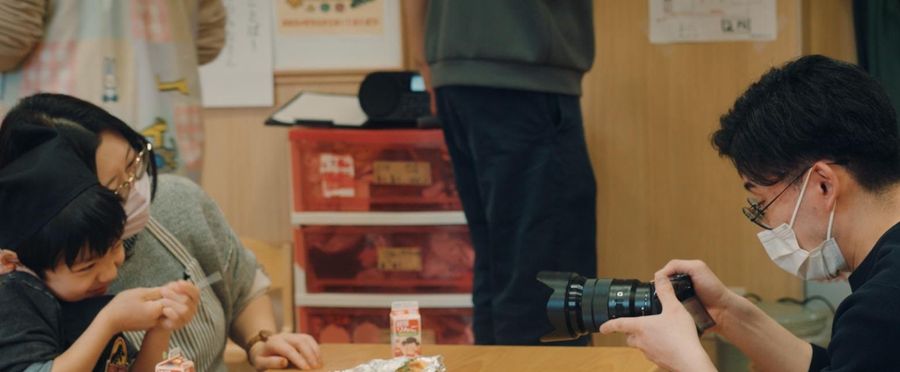
Many kindergartens in Japan's disaster-ridden regions are facing critical threats from the country's shrinking young population. These areas, already stunted by recovery efforts, are further challenged by the trend of fewer children, indicating a potential demographic crisis. This crisis poses significant implications for the future of these regions and for Japan as a whole, demanding immediate reforms in social policy.
Japan is currently grappling with an aging society and a low birthrate. Social infrastructure and community services, such as schools and nurseries in disaster-stricken areas, are directly impacted. Japanese society greatly values children as they represent future generations, so the dwindling young population tends to resonate as a national crisis. The social and government attention placed on this issue reflects that sentiment.
While declining birthrates are a global issue, the situation in Japan is seen as particularly concerning. In the US and EU, governments approach this challenge with varying policies, ranging from encouraging immigration to supporting larger families with child tax credits or subsidized childcare. However, Japan's traditionally conservative immigration policies and distinct cultural lens conjure unique challenges in addressing this issue.