
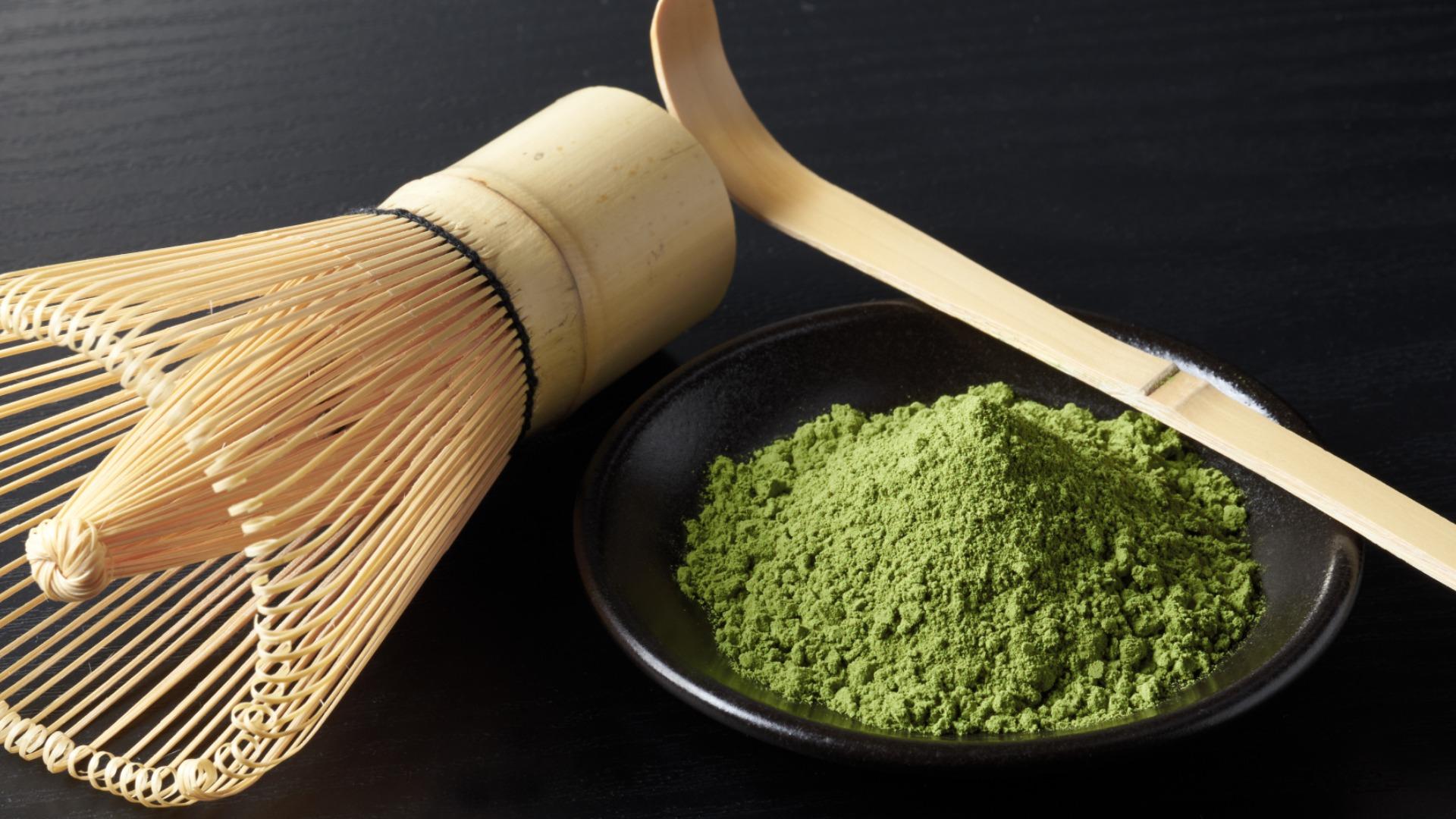
Despite the thriving popularity of Matcha worldwide, the number of tea manufacturing industries in Japan has reached an all-time high. This seemingly paradoxical situation is believed to be the result of a combination of aging workforce, technological transformations, and international trade practices that limit the country's tea exports.
Japan takes great pride in its tea culture, particularly its world-renowned Matcha. The decline of tea industries reflects deeper issues of rural economy, traditional craftmanship, and global market dynamics. This is a matter of cultural heritage and local economy as much as it is an industry issue.
Unlike the EU and US, where the focus is often on innovating agricultural industries for efficiency, Japan places great value on traditions and craftsmanship. The struggle in the Japanese tea industry shows that while the global popularity of a product may soar, the domestic industry may still face challenges in sustainability and resilience.