
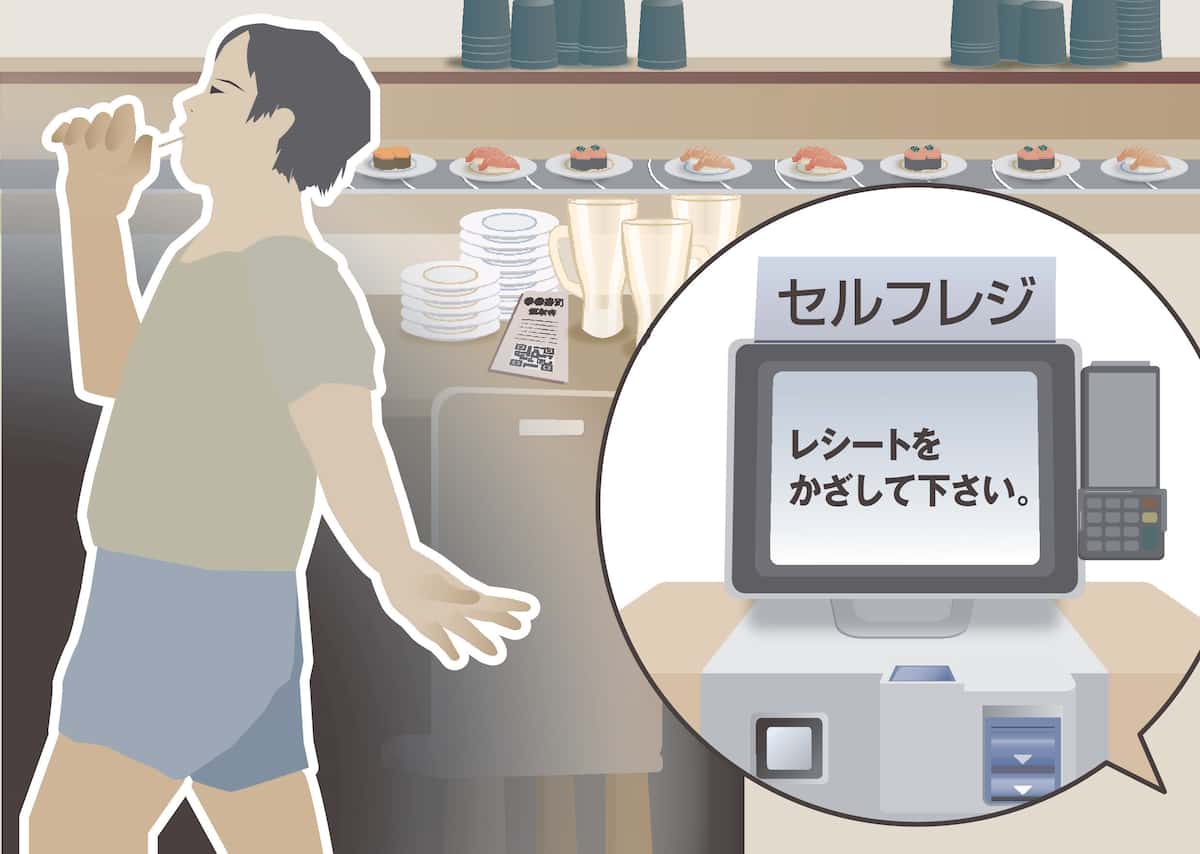
The article investigates the recent rise in self-checkout systems in Japanese retail markets - a trend causing a tangled debate over the so-called “trust theory." It explores how the retail sector is transitioning from conventional checkout systems to more technologically advanced cashier-less systems, and how this relates to the inherent Japanese principle of honesty. The discussion highlights the perceived moral dilemmas facing Japanese society, where trust and psychological honesty are tested by the introduction of these new systems.
The advent of self-checkout systems is causing a stir within Japan because it tests the country’s principle of moral honesty - a cornerstone of Japanese society. The local populace tends to believe in the inherent good nature of people, with theft often viewed as a stigma. So the introduction of self-checkout systems, which relies heavily on the honesty of customers, is causing unique social implications.
In contrast to Japan, self-checkout systems have been widely established in the US and many European countries without the same societal concerns. This is perhaps due to a differing baseline of trust and human nature theories in these societies. Where some countries might employ more security measures to prevent theft at self-checkouts, Japanese stores largely rely on customers' honesty.