
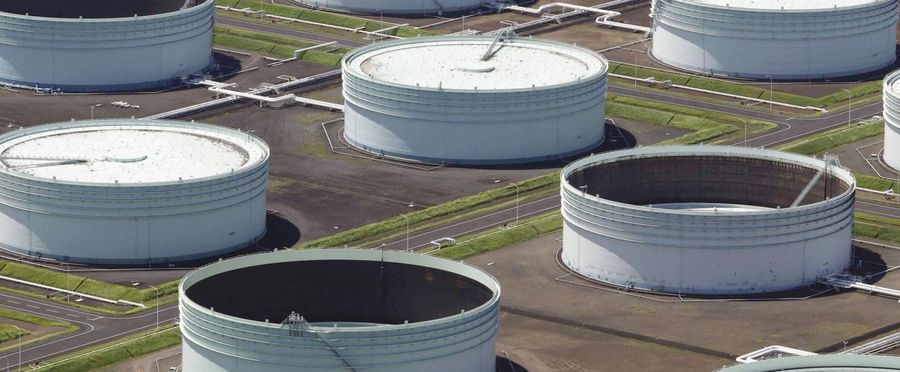
The Japanese government is contemplating the release of national oil reserves, as hinted by recent headlines. While details have not yet been fully disclosed, it typically involves the government strategizing to ensure local industries and consumers are not affected by any potential global oil supply disruption. The decision, if implemented, could potentially have wider implications for Japan's energy policy and economic stability.
In Japan, national oil reserves have been preserved as a buffer against shortages, which is crucial for a country largely dependent on foreign oil imports. The possible release of these reserves suggests not just a mechanism to address short-term issues, but it can also cross over to economic and strategic considerations. People in Japan value stability and preparedness, especially regarding energy supply.
In the U.S. or EU, national oil reserves are also kept and any decision to release these reserves usually occurs in response to significant disruptions in oil supply, or as a measure to control oil prices. However, unlike Japan, these regions have various alternative energy sources and are not as heavily reliant on oil.