
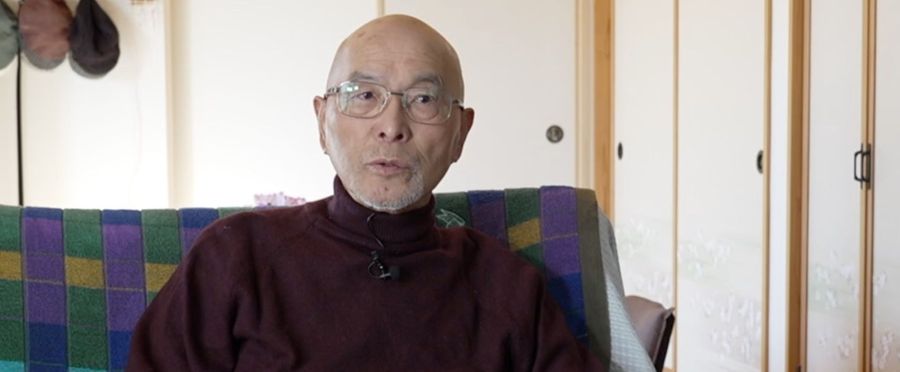
An ethical question has ignited following a recent tsunami alert in Japan, which resulted in a life-or-death decision to leave a 92-year-old man behind. The decision has sparked national debate, raising questions about the responsibilities and priorities during natural disasters. As tsunamis can cause devastating results within minutes, actions demanded by these situations often carry significant moral implications.
In Japan, where the population is rapidly aging and respect for the elderly is a cornerstone of their culture, this event resonates particularly deeply. The incident brings to the fore an issue at the heart of a society dealing with an aging population and frequent natural disasters. The community's response indicates the society's complex relationship with elder care, societal safety, and responsibility.
In the United States or European Union, disaster preparedness and responses are often tested and designed to accommodate the needs of all, especially vulnerable population groups. However, like Japan, these challenges can be magnified in crises. This incident elicits questions about ethical dilemmas during emergencies, inclusivity in disaster response planning, and society’s duty of care to the elderly.