
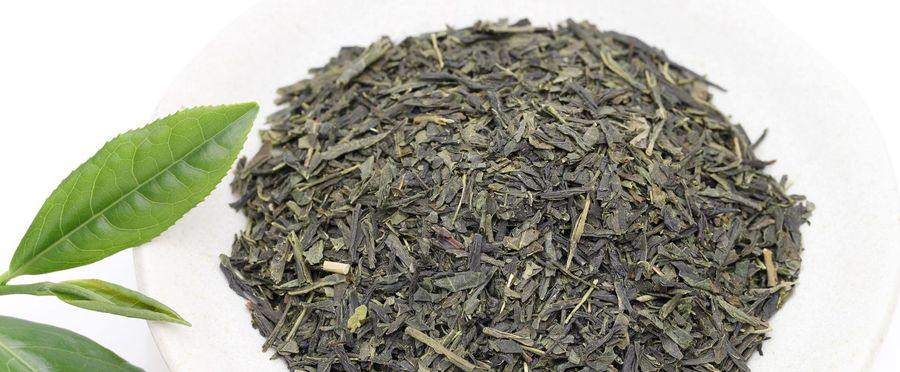
Despite the rising international demand for Matcha, a powdered green tea, Japan's tea industry is facing an unprecedented number of closures. Local tea farmers struggle with increased competition, cost of production, and the changing tastes of younger generations in Japan. This conflict between soaring global demand and domestic decline has created a peculiar paradox that threatens the future of this traditional industry.
Tea, an integral part of Japanese culture, finds itself at a crossroads as shifting domestic preferences and global market dynamics generate stress on local tea producers. People in Japan greatly value their traditional industries and their preservation, making this issue a significant cultural concern.
In countries like the US or the EU, similar situations are often handled through subsidies, providing financial support for struggling traditional industries. There could also be more emphasis on marketing and promotion to boost local consumption of these products.