
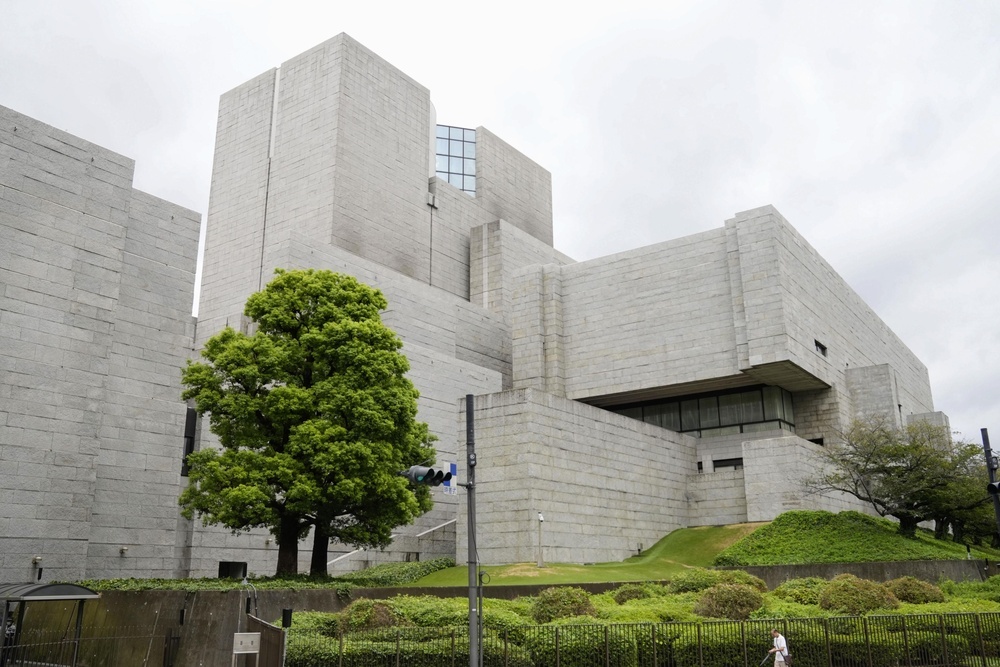
The Supreme Court of Japan has rejected a patent application for an invention created by Artificial Intelligence (AI). The court ruled that inventors must be natural persons, not AI or any other form of artificial intelligence. This decision is reflective of significant discussions and concerns regarding the positioning of AI in the realm of intellectual property rights and technological innovation.
Japan is a global leader in technology and AI advancements. As such, the legal and social implications of AI inventions are a hot topic in Japanese society. Japan's law stipulates that "the inventor is the natural person who created an invention," indirectly asserting AI cannot be deemed an inventor. This debate touches deeper into the cultural value of human creativity versus machine intelligence, stressing the necessity of regulatory reform to match AI evolution.
The US and EU have also grappled with similar issues. Recently, a US federal court and the European Patent Office came to a similar conclusion on respective cases, holding that only natural persons could be recognized as inventors. This reflects a global consensus on the current state of intellectual property law, though the conversation continues as AI technology evolves quickly.