
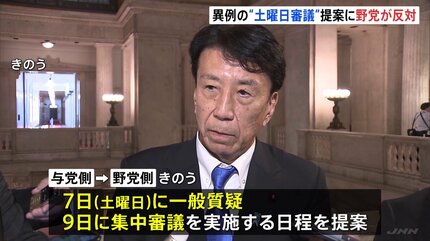
In an unusual move, the Japanese government has decided to hold parliamentary deliberations on a Saturday, prompting opposition from rival parties. The opposition argues that such a move breaks convention and disrupts the regular flow of political discussions. The decision has sparked intense debate, raising questions regarding governance and the democratic process in Japan. Further details about the matter, including the specific issues to be deliberated during the Saturday session, are still forthcoming.
In Japan, parliamentary deliberations traditionally occur on weekdays. By moving a session to Saturday, the government challenges this routine, causing concerns over potential disruptions to the legislative process. Japanese citizens value political stability and consistent rules regarding governmental procedures. Therefore, this unusual decision has created a wave of resistance and sparked rigorous public debate.
In the US or EU, legislative bodies occasionally conduct weekend sessions, particularly during times of crisis or for crucial legislation. However, such instances are relatively rare and usually met with resistance from opposing parties, deemed as an extraordinary measure disrupting personal and professional schedules.