
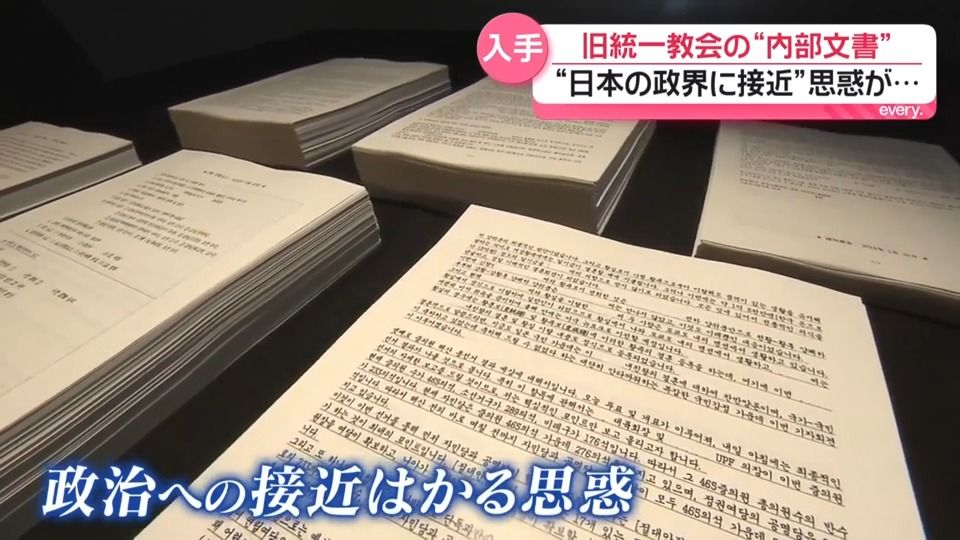
The Unification Church, formerly known as the Unification Movement, appears to be establishing closer ties with Japan's political sphere. Although there are no explicit details on the level of influence being wielded, the speculated closeness has raised eyebrows in political circles. The motivation and potential implications of this proximity remain unclear, spotlighting the careful balance between faith and politics Japan must navigate.
In Japan, the separation of church and state is well-established, as in most democratic countries. The Unification Church’s alleged proximation to politics has thus raised significant public interest and concern. Many Japanese citizens value the independence of the government from religious influences and any breaches of this separation can trigger societal and political debates.
The United States and European Union also generally uphold the principle of separation of church and state. However, it is not uncommon to see religious groups in these regions exerting influence on politics, particularly through lobbying or aligned voting blocs. Notable examples include the Evangelical Christian influence on American politics, or the Catholic Church's influence in parts of the European Union.