
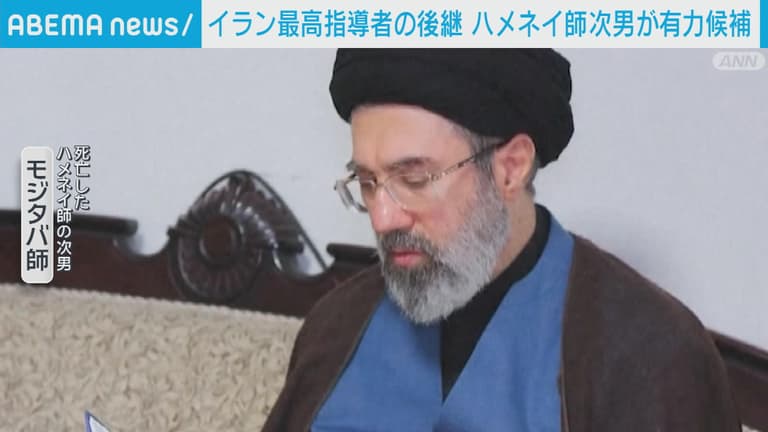
Speculations are rife about the possible successor of Supreme Leader Ayatollah Ali Khamenei in Iran. Japan's media is highlighting his younger son as a leading contender. This comes as Iran navigates a crucial juncture amid increasing geopolitical tensions and domestic challenges. While the decision remains shrouded in secrecy, the potential implications of the succession shift are being closely monitored by Japan and the broader global community.
Japan has a significant interest in the political stability of Iran because of their economic and strategic interests in the Middle East. While not having a significant Iranian diaspora, Japan, as a major importer of oil, often finds itself tangled with Middle Eastern politics. The news regarding the potential successor of Khamenei is thus carried with considerable weight in Japan, affecting their geopolitical strategies and economic outlook.
In the U.S. or EU perspective, political succession in Iran is viewed through a different lens. These western democracies prioritize the prospect of democratic governance, human rights, and non-nuclear proliferation in Iran. The potential succession could be seen as an opportunity or a risk regarding these issues.