
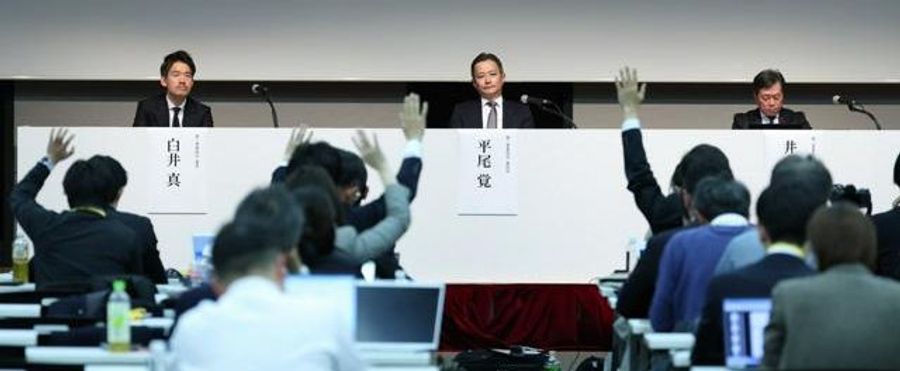
Nidec Corporation, a prominent Japanese manufacturer of electric motors, fears a potential loss of ¥250 billion due to accounting irregularities. The company is conducting an internal investigation to uncover the extent and impacts of the suspected financial improprieties. The outcome of the investigation, which is expected in the coming weeks, will decide the future trajectory of the corporation.
In Japan, corporate integrity and transparency hold a significant position. Suspicions of accounting irregularities, especially in well-reputed firms like Nidec, often trigger serious scrutiny from regulators and, at the same time, disappoint the general public. Stakeholders value the reputation of such corporations as they are generally held as the pillars of the Japanese economy.
In the United States or European Union, issues similar to this are also taken very seriously. Companies found guilty of accounting irregularities can face severe penalties, including substantial fines and even dissolution. There are extensive regulatory bodies, such as the Security and Exchange Commission in the US and European Securities and Markets Authority, which work on maintaining corporate transparency and ethical conduct.