
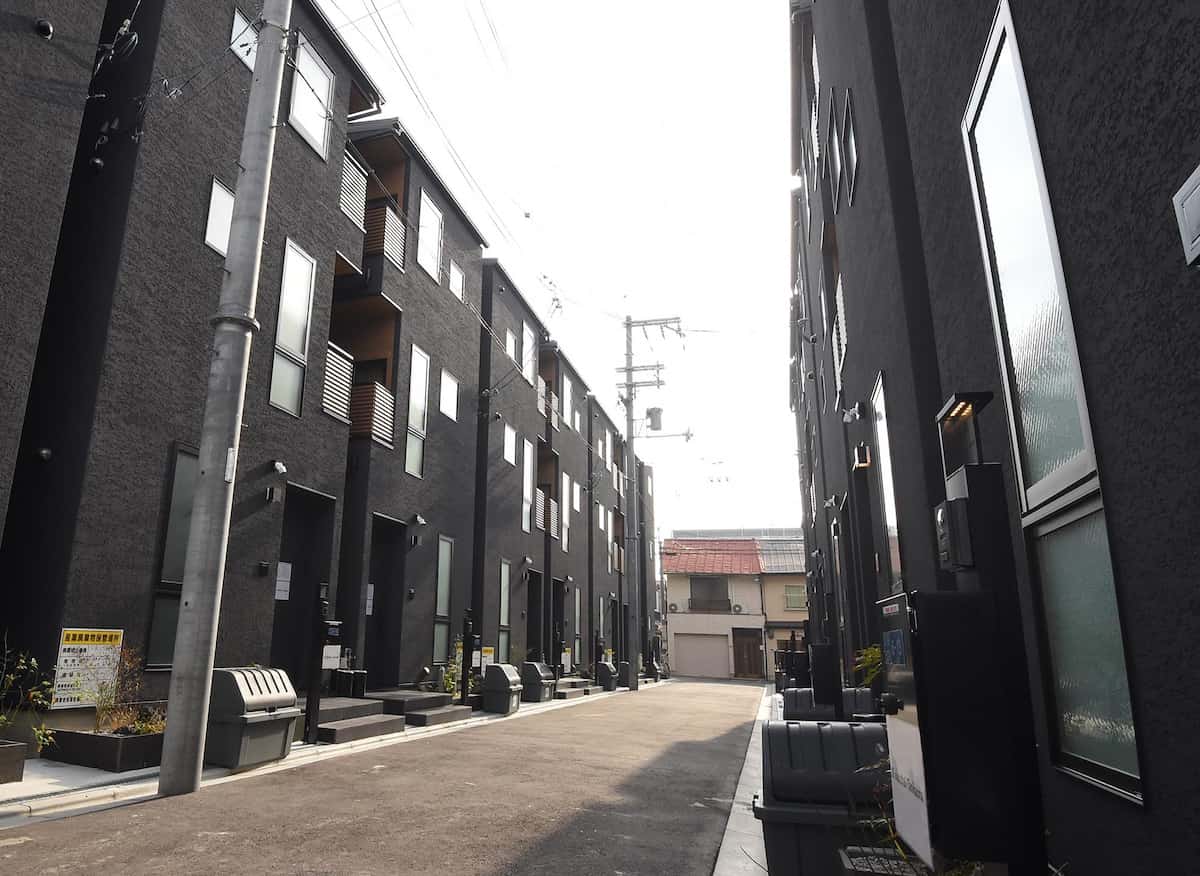
Osaka's Nishinari district is experiencing an escalating increase in Chinese-run Airbnb establishments, known locally as "China Stays". This surging trend has sparked concerns within the neighborhood due to the lightning-fast rate of proliferation. Local authorities and residents are now grappling with regulation issues and impact on the neighborhood's life and culture, prompting an urgent review of the district's short-term rental policies.
In Japan, the rapid proliferation of short-term rentals or "minpaku" is highly contentious and regulated by local governments. Many Japanese are cautious about renting their homes due to potential nuisance and cultural clashes with visiting renters. Japan’s Home Sharing Law limits short-term rentals to 180 days per year, and local districts can impose stricter guidelines. In Osaka's Nishinari District, there's a growing concern that the sudden rush of "China Stays" may erode local culture and disturb community peace.
In the US and EU, the rise of Airbnb and other short-term rental platforms have equally sparked debates. Cities like San Francisco and Amsterdam have implemented strict regulations to mitigate potential issues such as housing shortages and disruption of neighborhoods. However, such measures often differ dramatically from city to city.