
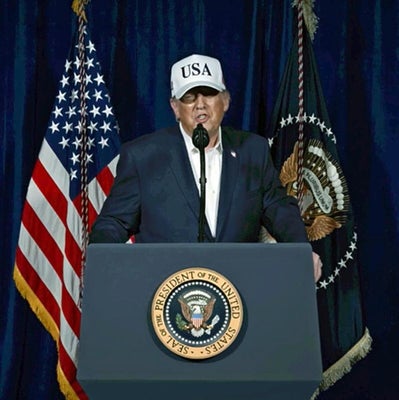
A flurry of misinformation through social media platforms has recently occurred regarding the purported attack on Iran. This misleading content, spreading rapidly via SNS (Social Networking Services), has created substantial confusion among its readers. While the origin of these false reports is still unknown, they have significantly distorted public understanding of the political situation, underscoring the need for digital literacy and critical consumption of online information.
Japan, as one of Iran's significant trade partners, is sensitive to its political environment. With the ubiquity of social media, many Japanese citizens rely on these platforms to stay informed about global affairs. Hence, the spread of misinformation resonates deeply within society, with discussions focusing on the need to differentiate verified information from unconfirmed reports, and the responsibility of social media platforms in moderating content.
Similar issues concerning the spread of false news on digital platforms have been cause for concern in both the United States and the European Union. Measures to combat misinformation, like enhanced fact-checking, digital literacy campaigns, and imposing regulations on social media platforms, have been implemented with varying levels of success.