
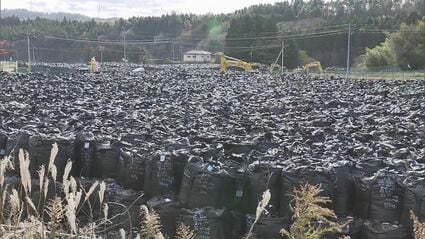
The Ministry of Environment in Japan has decided to step up its program for reusing soil gathered from decontamination efforts. The initiative purports to find safe, effective ways to repurpose the material rather than stockpile it indefinitely. The date this initiative will fully kick in is yet to be announced. The specific locations for potential reuse are still under consideration, and how the soil would be utilized is yet to be disclosed. The move represents a big step in waste management and resource allocation in post-Fukushima Japan.
In Japan, this news indicates a significant shift in dealing with radiation-contaminated soil, which has been an ongoing issue since the Fukushima disaster. The recycling of this soil has been a great concern for Japanese citizens due to the potential health risks. Also, there are social implications as this speaks volumes about Japan's dedication to a sustainable environment and resource management.
In the US or EU, the handling of hazardous waste carries strict regulations and procedures. Such an initiative would require transparency, stringent safety measures, and robust public communication to ensure public acceptance and confidence. It reflects on the importance of waste management and innovative recycling ideas necessary for environmental sustainability.