
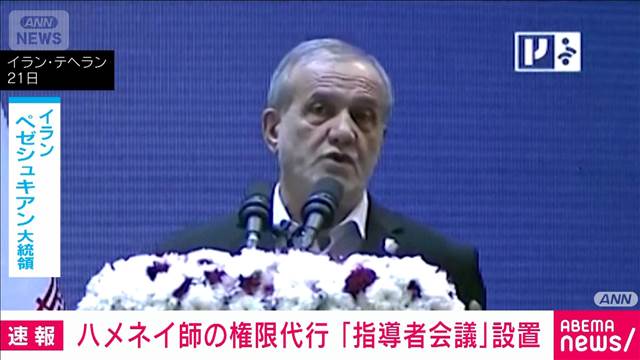
Ayatollah Ali Khamenei, the Supreme Leader of Iran's power, is reportedly to be assumed by a leader's council. This information comes to light through a recent meeting held within the governing body, therefore indicating a change in the distribution of power. Details of the newly empowered council and implications of this development for Iran's internal affairs and foreign relations are yet to unfold.
As an international relations matter, the Japanese public typically takes interest in the leadership changes and foreign-policy shifts of Iran, given its significant role in Middle East politics. Japan's long-standing efforts towards maintaining peace in the Middle East may be influenced by this power change. The legal values involved hinge on respecting international law and diplomatic protocol.
Transitions in leadership are cases of heightened interest not only in Japan but also in the US and EU. The considerations include possibilities for shifts in global policies, impacts on regional stability, and changes in diplomatic relations. However, the decision-making process and reaction to such changes may vary based on political structures and foreign policies of these regions.