
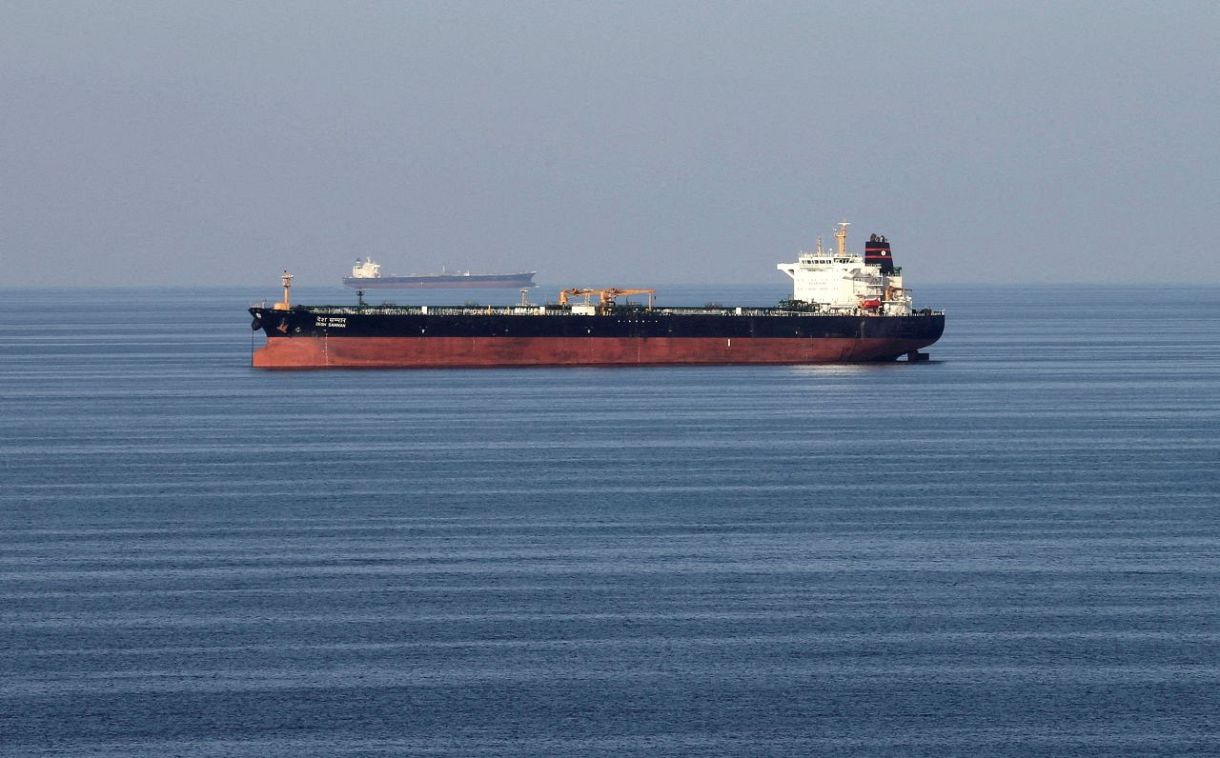
An oil tanker has been ambushed in the Strait of Hormuz. No group has claimed responsibility for the attack yet. The ship, owned and operated by a Japanese company, was transversing one of the world's most tactically significant waterways when it fell victim to the attack. The event has triggered alarm on a global scale, intensifying tensions particularly in Japan, whose economy is reliant on Middle Eastern oil supplies. The Japanese government is fervently dealing with the situation while calling for a thorough investigation to deter future attacks.
Japan relies heavily on oil imports from the Middle East, making safe passage through the Strait of Hormuz imperative for the country's economy and energy security. Hence, the attack on the Japanese-owned tanker is seen as a direct hit to Japan's vital national interests. The news has stirred concerns over potential impact on oil prices and overall economic stability. The incident also presents a diplomatic challenge for Tokyo, demanding a delicate balance between its relations with the United States and Iran.
Similar incidents in the U.S. and EU would typically result in calls for increased naval security and possible retaliation, leading to heightened regional tensions. Both the U.S. and EU have the capacity for significant military response, unlike Japan, which is constitutionally restricted in its use of force. This puts Japan in a more precarious position in its efforts to ensure maritime security in the region.