
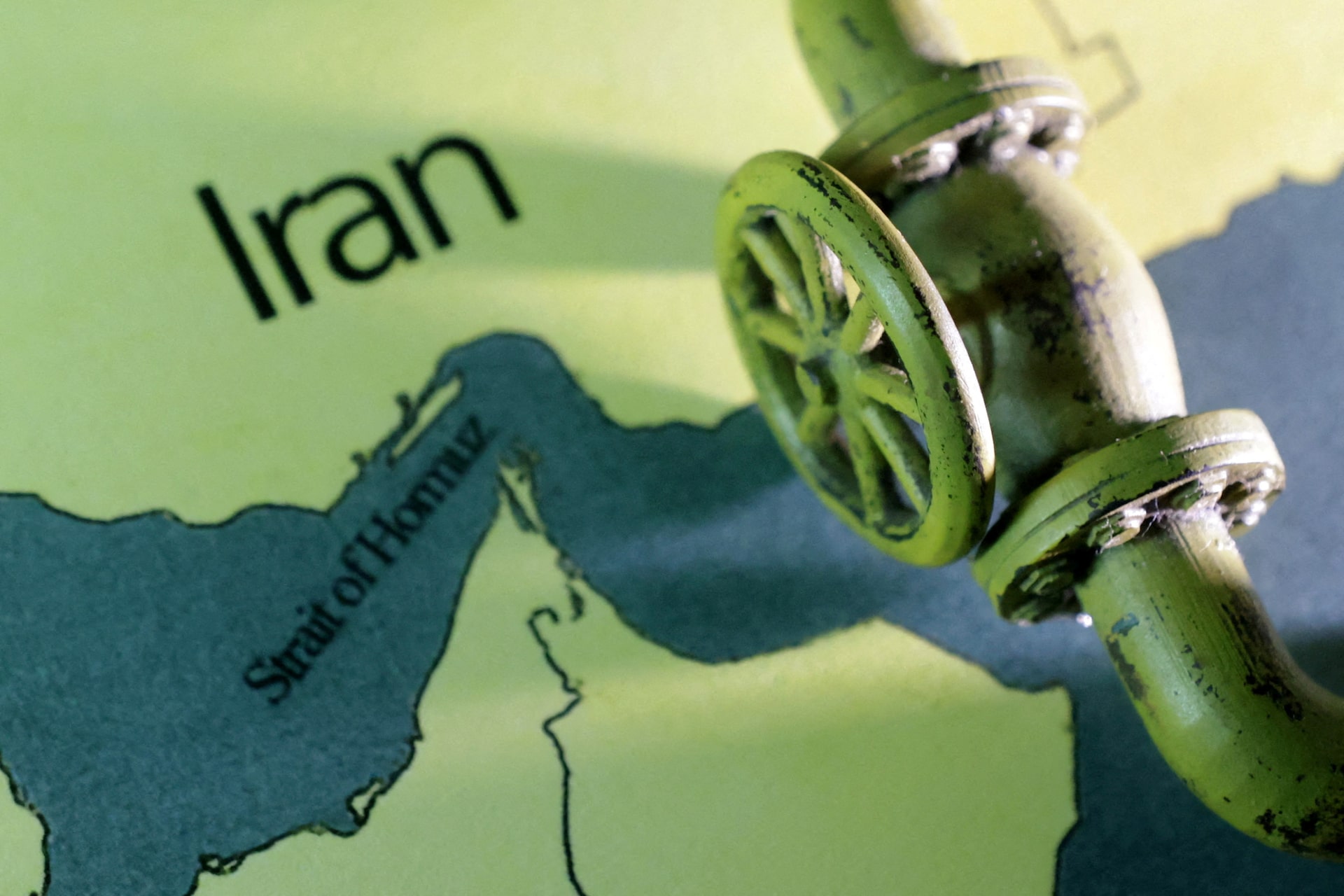
Amidst uncertainties in the Middle East, the Japanese maritime companies have decided to halt travel via the strategically crucial Strait of Hormuz. This decision comes as a response to potential security issues and unpredictable conflicts in the region. The Strait of Hormuz is a vital and bustling global passage for the oil tankers and the repercussions of this halt will inevitably affect the global economy and energy markets.
Japan, being an industrialized nation that lacks substantial natural resources, relies heavily on its global supply chain for crucial commodities, especially oil. The Strait of Hormuz is a significant global passage for shipping these commodities, and any disruption threatens Japan's economic stability. Hence the decision and its implications are keeping Japanese citizens and businesses on the edge.
In contrast, the United States, which produces much of its own oil and has diversified its oil-importing sources over the last decade, is less vulnerable to disruptions in the Strait of Hormuz. The European Union, while also affected, has more diversified energy sources compared to Japan. Both EU and US also have stronger military presence in the region.