
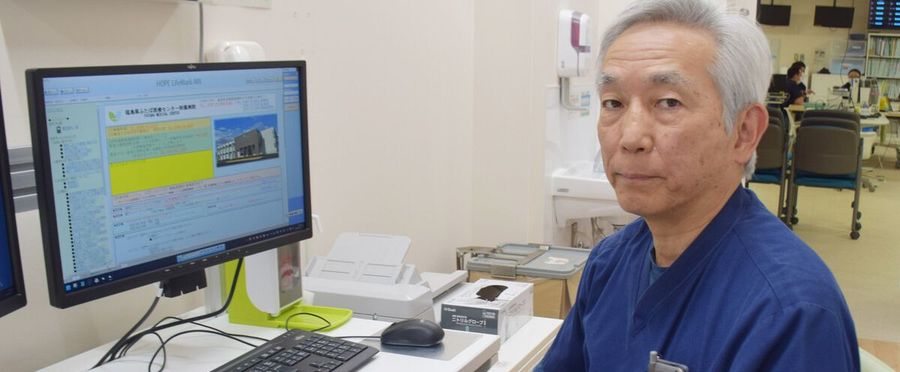
Years after a catastrophic nuclear disaster in Japan, a highlight has been placed on the role of healthcare in aiding residents' return to their homes. Policymakers are navigating this complex situation, balancing the desire for residents to return home against the potential health risks still posed by radiation. The focus now is on restoring and improving healthcare services to ensure safe and sustainable living conditions.
In Japan, there's immense societal value placed on the concept of "home" and the ties to one's birthplace. Hence, the repeated attempts to restore livable conditions in areas affected by the nuclear disaster reflects this deeply ingrained value. However, Japan also has a strong focus on public health and safety, making this a delicate situation requiring careful policy decisions.
In comparison, the US and EU have also faced challenges dealing with the aftermath of nuclear incidents, such as Chernobyl and Three Mile Island. A common strategy includes establishing and enforcing exclusion zones, effectively displacing residents indefinitely. While health and safety are a concern across all affected countries, there is a stronger emphasis on resettlement and return in Japan.