
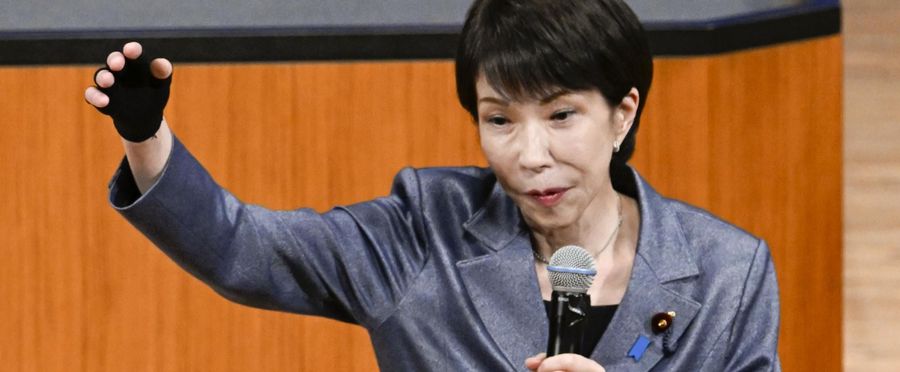
In an unusual move, the Prime Minister of Japan has taken active steps to mitigate the fracturing of the ruling conservative party ahead of the imminent elections. This action was unanticipated due to the traditionally non-interventionist stance adhered to by previous PMs. The extreme step was deemed necessary to avoid potential political fallout and maintain the strength of the party in the face of rising opposition forces.
This issue is of high importance in Japan where political stability and continuity is greatly valued. Viewing this as a deviation from standard, non-interventionist political practice, many Japanese citizens may see the Prime Minister's actions as extrajudicial, resulting in controversy. The potential fracturing of the ruling party also suggests increasing political competition, which adds to the tension.
In contrast, American and European political systems often see more direct involvement by leaders to ensure the unity of their parties due to the fierce competition inherent in their political landscapes. It's more accepted, particularly when either party faces a significant internal conflict or in the run-up to important elections.