
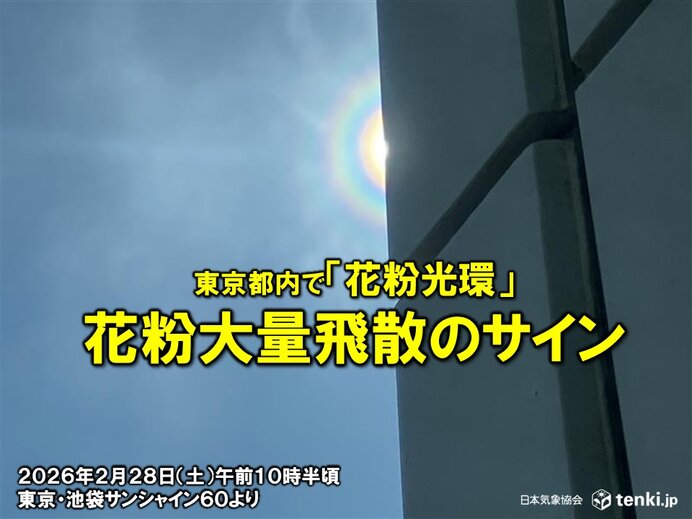
Recent reports confirm that Tokyo is in the midst of peak cedar pollen season. Weather conditions have caused a sudden rise in pollen levels in the Tokyo metropolitan area, affecting residents with allergies. Typically occurring between February and April, the cedar pollen season's intensity fluctuates annually depending on weather conditions and developments in the previous autumn. This heightened pollen count has led to increased cases of hay fever and related ailments among the city's population.
In Japan, cedar pollen season is a major public health issue, drawing significant attention each year. Many Japanese people suffer from hay fever due to cedar pollen, prompting a demand for preventive measures, high-quality protective masks, and allergy medication. The issue highlights Japan’s environmental and healthcare concerns, including managing allergens in public spaces and providing adequate healthcare options for citizens suffering from seasonal allergies.
Cedar pollen allergy isn't unique to Japan, but how it’s treated there is notably different compared to Western counterparts like the U.S. or E.U. While some people in those regions may experience symptoms, the phenomenon is not as widespread or publicized. In contrast, Japan's proactive approach to informing citizens about pollen forecasts and encouraging preventive health measures is quite distinctive.