
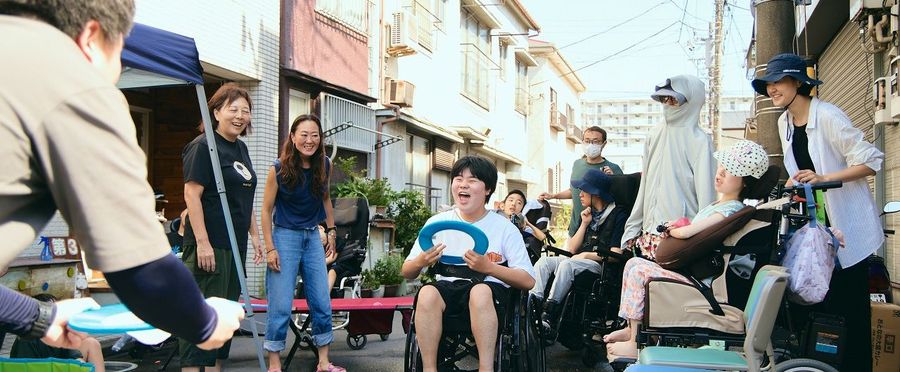
Reports have emerged about potential exclusion of children with severe disabilities from after-school programs in Japan. Parents and social advocacy groups have raised concerns about the inclusivity of these programs, alarming education authorities and sparking widespread debate. While these programs provide critical support for working parents, the accusations underscore the needs and rights of all children to be accommodated. The when and where of these allegations have not been specified.
Equal opportunity and access to education, including after-school programs, is a significant societal value in Japan. However, the ability to fully integrate children with severe disabilities is a nationwide challenge. This news echoes the rising concerns about inclusivity and equality in the Japanese society. Public reaction is mixed; some people empathize with the needs of severely disabled children, but others worry about the potential strain on resources and the disruption to other children's education.
In the US or EU, the debate over the inclusiveness of education for children with disabilities is a matter of ongoing concern. The legislation like Americans with Disabilities Act in the US, or the European Disability Strategy 2010-2020 in the EU, mandate equal educational opportunities for all. It's not to say issues of disability discrimination don't exist in these nations, but typically there are stronger safeguards in place against such exclusion.