
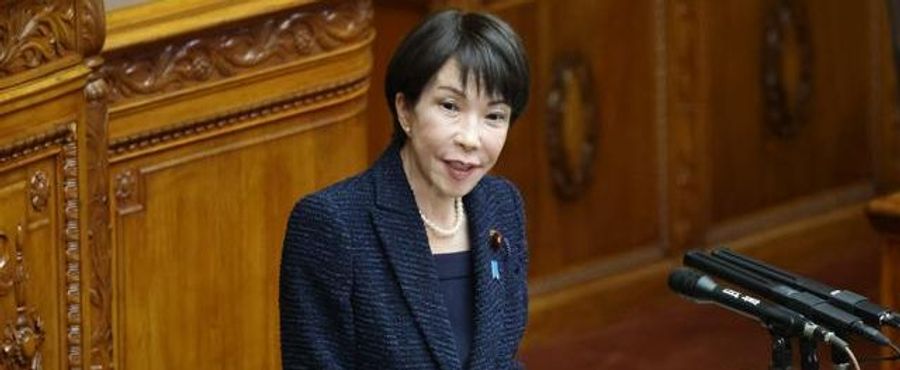
In a recent announcement, Japanese Prime Minister Kōichi has distinctly stated that he will not require the return of distributed gifts. This occurred amidst controversy concerning the unrevealed distribution of such gifts. The specifics of the gifts, to whom they were given, or the reasons behind the Prime Minister's decision remain yet undisclosed.
In Japan, gift giving is an important and highly regulated cultural practice, with implications in both personal and political life. Any divergence from the norm, especially at higher levels of government, can lead to public scrutiny. Here, Prime Minister Kōichi's decision not to require the returns of distributed gifts seemingly breaks traditional expectations, which has raised eyebrows.
In the US or EU, the matter of gifts in politics is highly regulated to prevent conflicts of interest or bribery. Officials must comply with stringent transparency rules, and acceptance of significant gifts from foreign dignitaries typically results in public disclosure. If found violating these rules, politicians may face severe consequences.