
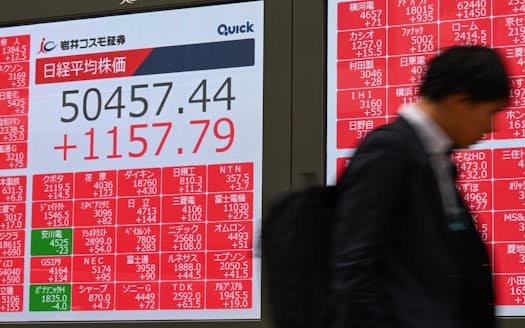
The Nikkei Average Stock Price, an indicator of Japan's stock market health, has hit the 59,000 yen level for the first time in its history. This significant rise emphasizes the robust growth and resilience of the Japanese economy amid global economic uncertainties. The milestone showcases the effectiveness of the various policies and measures implemented by the Japanese government and central bank to stimulate economic growth and encourage investment.
In Japan, the Nikkei Average Stock Price is a key barometer of economic health, widely tracked and reported on by media outlets. It reflects the performance of the 225 largest companies of the Tokyo Stock Exchange. The stock market's performance affects corporate profits, pensions, and the general sentiment towards the economy. Such a historic rise is seen as a positive sign and is likely to boost investor and consumer confidence.
In the US, similar importance is placed on stock indices such as the Dow Jones Industrial Average and S&P 500. These indices reflect the nation's economic health and influence investor sentiment. A historic high in these indices would receive considerable media attention and potentially influence policy decisions, similar to the situation in Japan.