
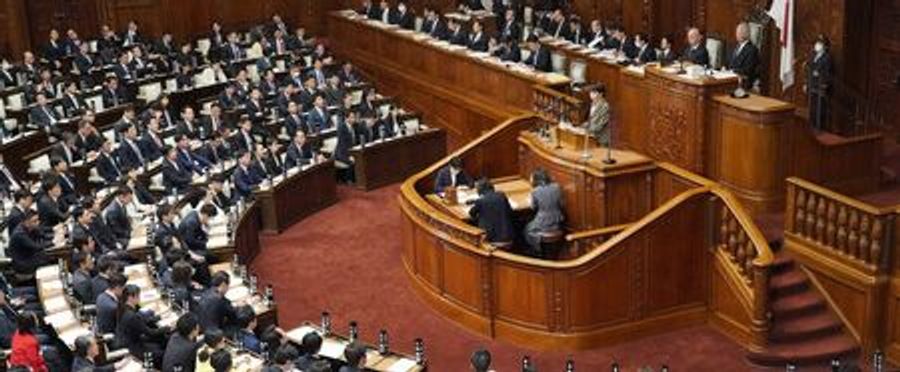
Following a landslide victory in the House of Representatives election, the Japanese Prime Minister exudes confidence in his immediate address. Utilizing the support signaled by the election results, the Prime Minister strongly defended government policies and future plans, keenly aware of the mandate to push forward with his agenda.
In Japan, the Prime Minister's success in the House of Representatives election is often seen as an endorsement of their administration's direction. Hence, such a victory directly affects the political discourse and the degree of assertiveness with which the Prime Minister pursues their policies. With the current win, the Prime Minister’s powerful response can be seen as a manifestation of public approval.
In contrast, in places like the US or EU, the strength of the leading executive is not directly linked to legislative victories, given the separation of powers principle. However, mid-term elections or parliamentary elections in multi-party systems can still impact political dynamics and leaders' political capital, influencing their approach to defending policies and plans.