
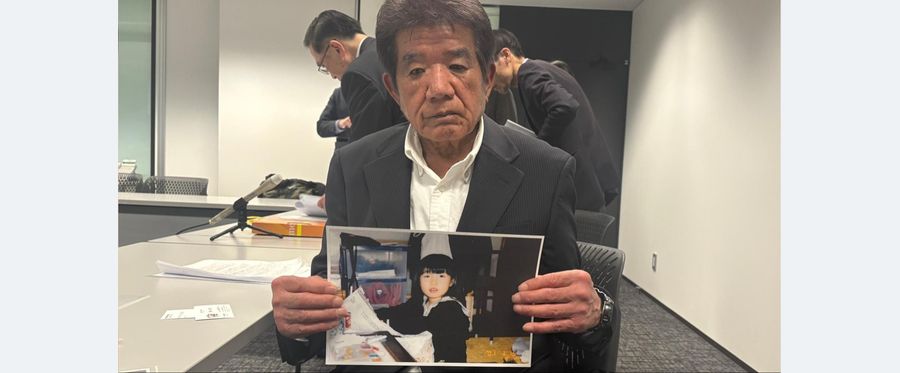
The continuing issue of unpaid compensation arising from the tragedy of the Isahaya child murder case has sparked renewed public interest in Japan. As stipulated by court rulings, the offender was obliged to pay monetary compensation to the bereaved family; however, this payment has yet to be fulfilled. The topic raises significant questions about the effectiveness of Japan's justice system and its role in supporting victims and their families.
In Japan, financial compensation is an important aspect of the criminal justice process, often providing a means for victims' families to find closure. The unresolved compensation in the Isahaya case, however, has stirred public discourse on the state of victims' rights and whether the existing legal framework provides sufficient support.
In contrast to the US or EU, where the state may provide certain financial assistance to the victims, Japanese law primarily relies on perpetrators to compensate the victims. When compensation is not paid, as in this case, it amplifies global discussions about the differences between various justice systems and the mechanisms in place to protect and aid victims.