
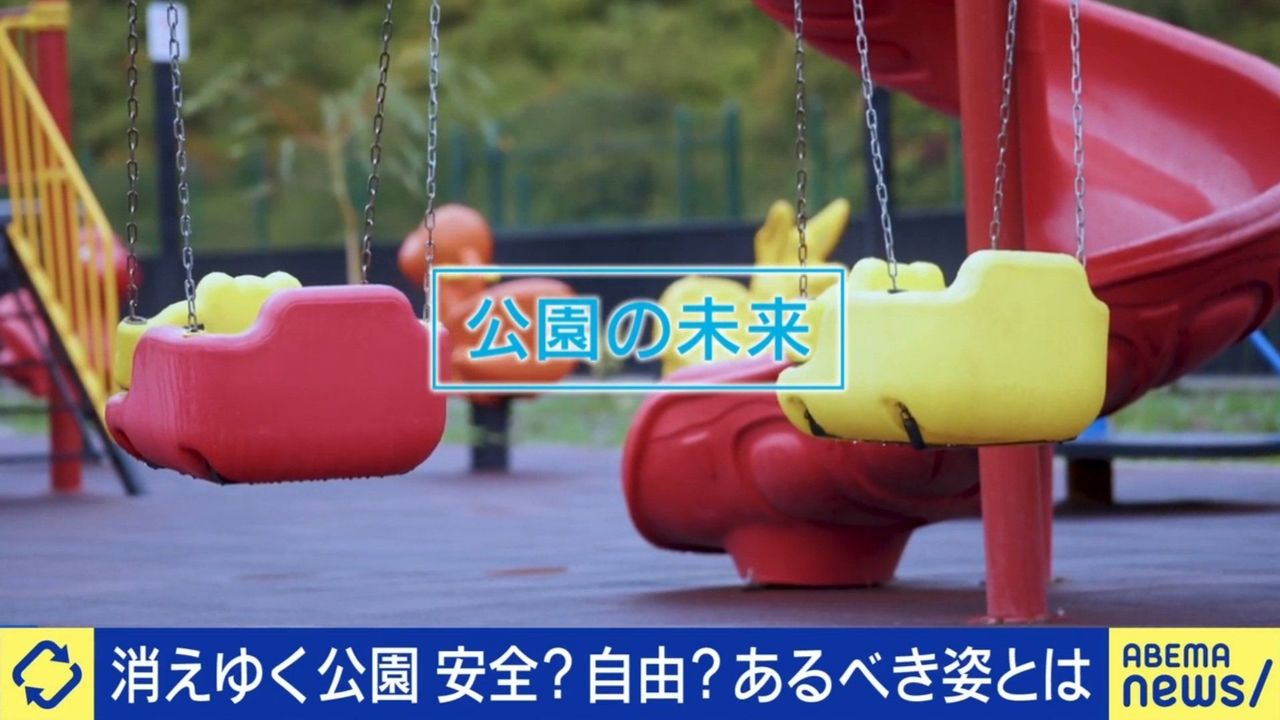
Amid mounting regulations, experts are expressing alarm over Japan's increasingly restricted public park spaces. The news emerges as local authorities continue to implement wide-ranging 'prohibitions' within public parks, from banning certain activities to setting strict guidelines. Critics argue these rules diminish the original purpose of parks as places of relaxation, community, and play, calling for a review of current laws. The story reflects a wider cultural debate within Japan over the balance of social order and personal freedom.
Japanese society generally values order and respect for the rules, which extends into the use of public spaces. Public parks, mostly government-owned, often have certain regulations to maintain cleanliness and orderliness. Some fear that these regulations, meant to ensure the harmonious use of the space, are going too far. The issue matters to Japanese people as it relates to their day-to-day quality of life, societal norms and community interaction.
While both the US and EU also regulate behavior within public parks, there is generally a higher tolerance for a wide range of activities, barring those that pose a public nuisance or danger. In contrast to Japan, public parks in the Western countries are often spaces used to express freedom and individuality.